
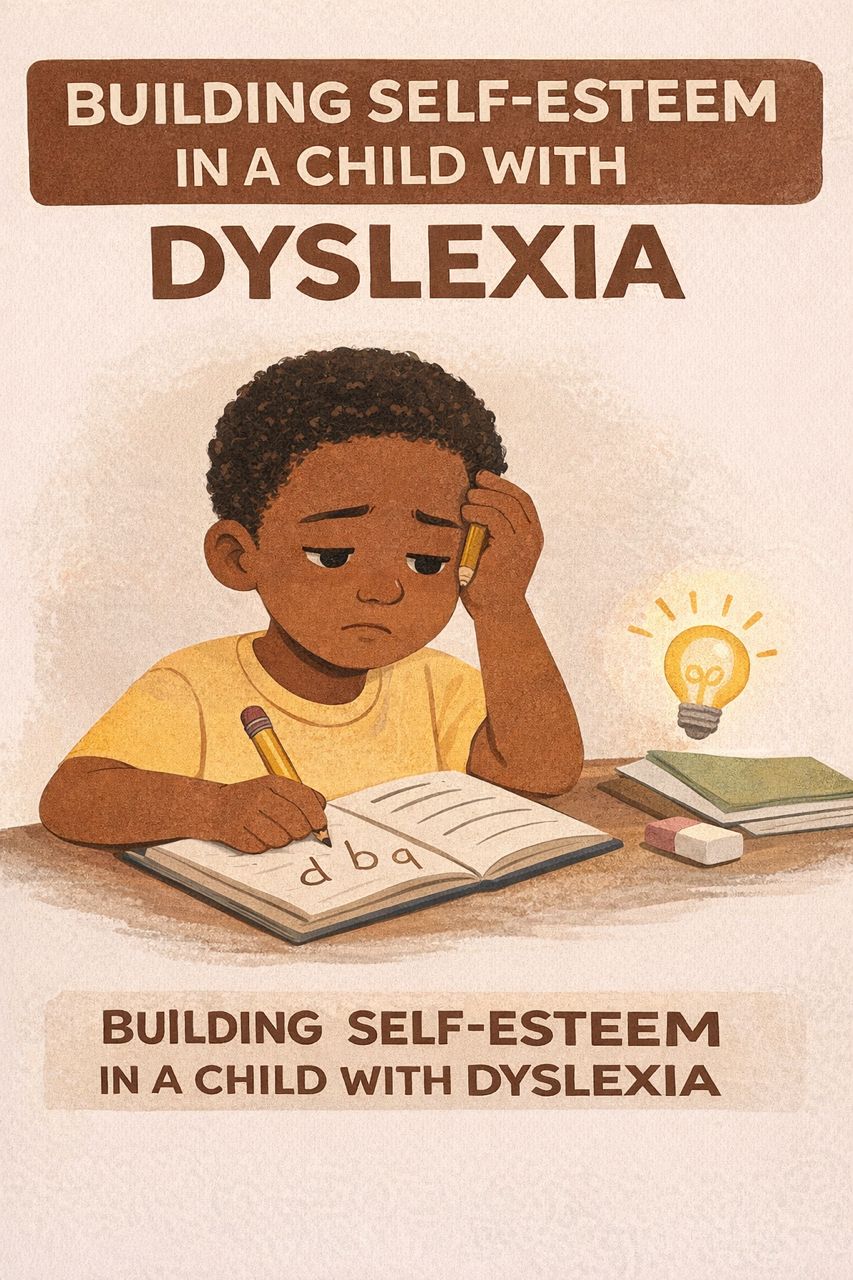
 A Simple Guide for Parents.
Many children who struggle with reading are often called:
• “Lazy”
• “Slow”
• “Not serious”
• “Not intelligent”
But sometimes, the issue is not laziness at all.
It may be Dyslexia: A learning difference that affects reading and spelling and when it is misunderstood, it can seriously damage a child’s self-esteem.

This article will help parents:
• Understand dyslexia
• Know the key signs
• Recognize the emotional impact
• Learn how to build their child’s confidence
• Know when to seek professional diagnosis

WHAT IS DYSLEXIA?
In the DSM-5-TR, dyslexia falls under:
Specific Learning Disorder (SLD) with impairment in reading.
This means:
A child has ongoing difficulty with reading accuracy, fluency, or spelling, even though:
• They are intelligent
• They attend school
• They are trying their best
It is a brain-based learning difference not a spiritual problem, not bad parenting, and not lack of effort.
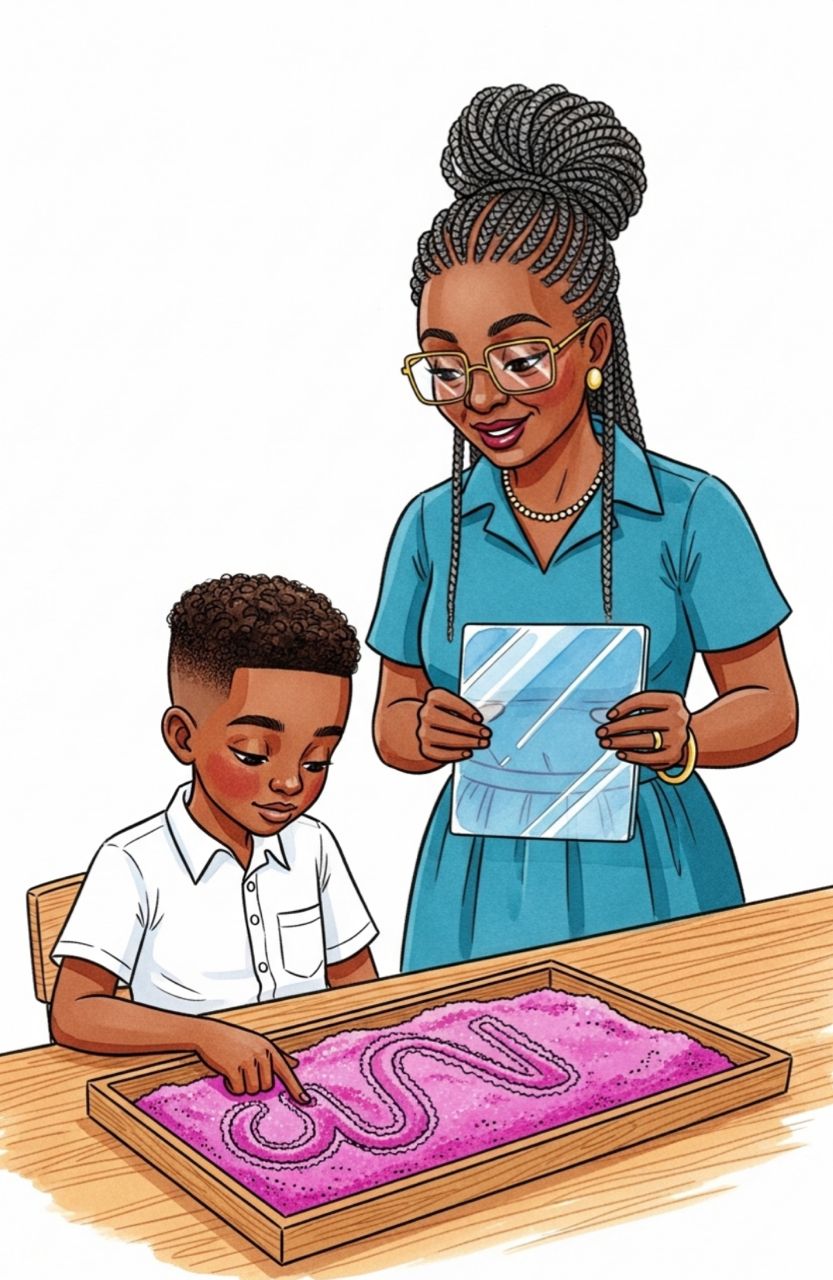
KEY SIGNS OF DYSLEXIA
A child may:
Struggle to recognize words
They read slowly and may guess words.
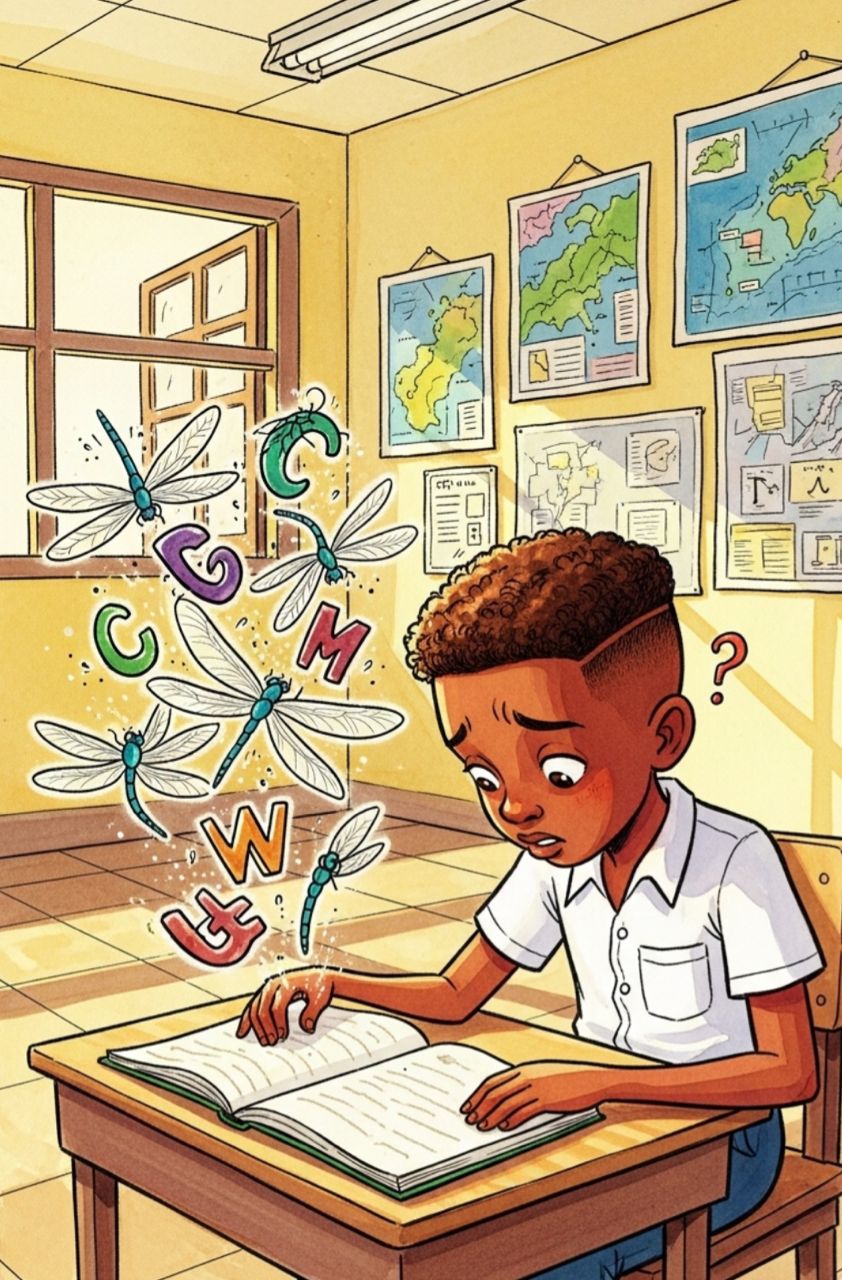
Mix up letters
b/d, p/q, m/n confusion is common.
*Struggle with spelling
Even simple words are spelled differently each time.
*Avoid reading aloud
They may feel embarrassed or anxious.
*Have difficulty sounding out words
Breaking words into smaller sounds is hard.
*Complain about reading
They may say reading is “too hard” or “I’m not smart.”
For diagnosis, these difficulties must:
>Last for at least 6 months
>Affect school performance
> Not be due to poor teaching or lack of opportunity

KEY DIFFERENCE: DYSLEXIA VS. “LAZINESS”
Laziness Dyslexia Avoids work by choice Avoids work due to difficulty
Can perform when pressured Still struggles despite effort Inconsistent interest Consistent reading difficulty No specific reading pattern Clear reading and spelling pattern
Many children with dyslexia try very hard but still struggle. Over time, repeated failure lowers confidence.
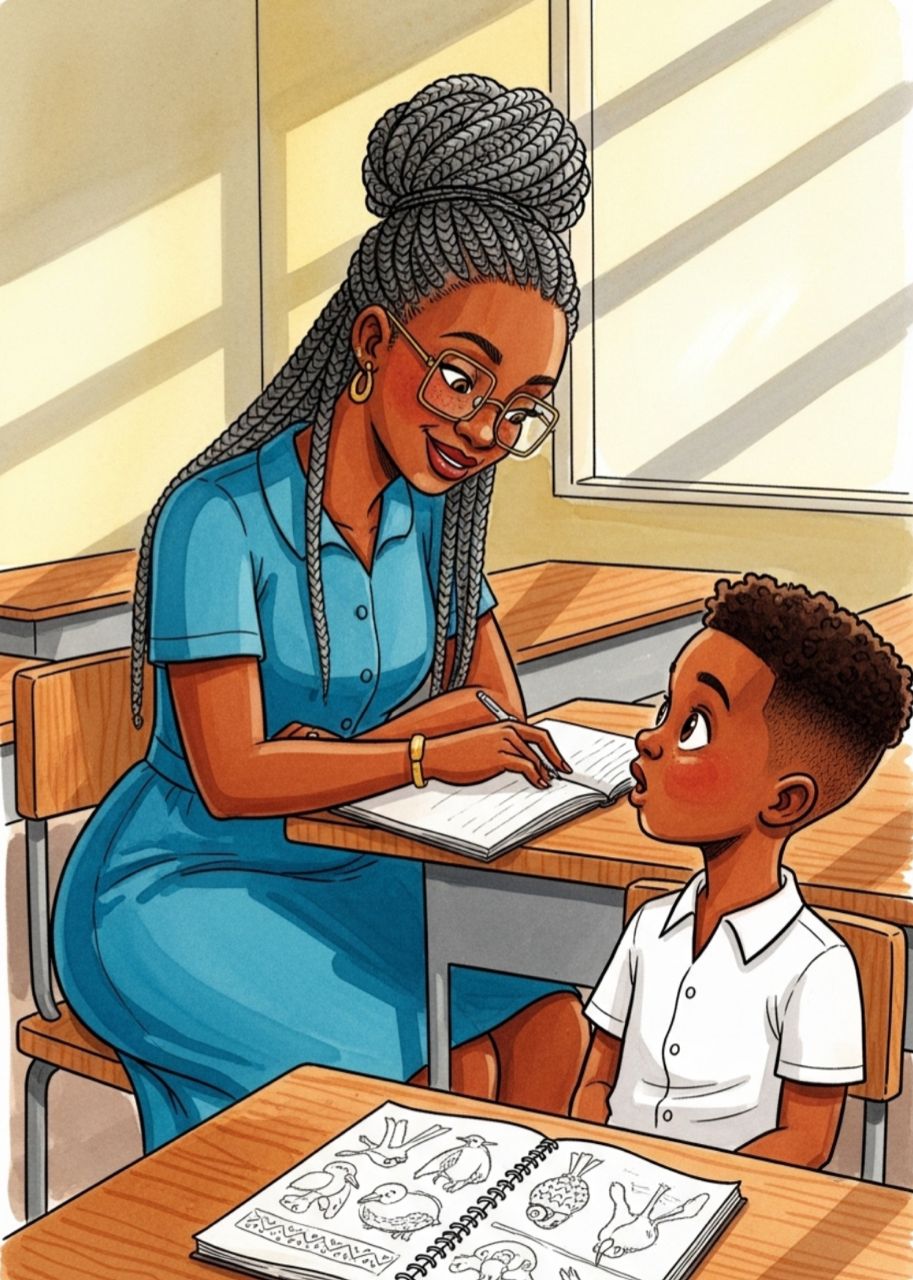
HOW DYSLEXIA AFFECTS SELF-ESTEEM
In especially, academic performance is highly valued. When a child struggles to read:
• They may compare themselves to classmates
• Teachers may label them negatively
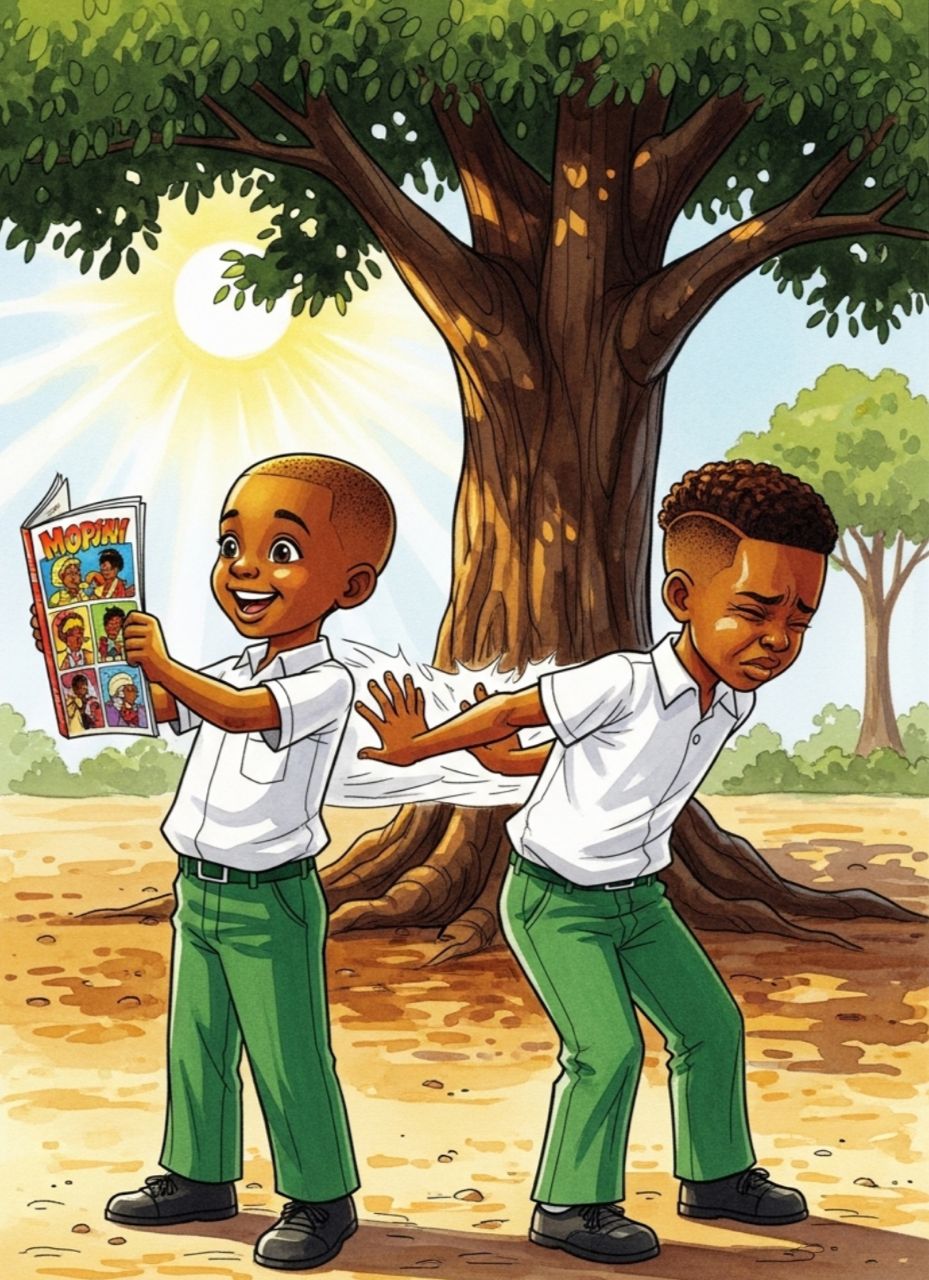
• Peers may tease them
• They may believe they are “stupid”
This is where self-esteem begins to drop.
Low self-esteem may show as:
• Anger
• Withdrawal
• Fear of school
• Refusal to try
• Anxiety
• Acting out
The emotional impact can sometimes be worse than the reading difficulty itself.
BUILDING SELF-ESTEEM IN A CHILD WITH DYSLEXIA
>Separate Intelligence from Reading
Tell your child: “Reading is hard for you, but that does not mean you are not intelligent.”
Many successful people have dyslexia.
>Focus on Strengths
Children with dyslexia often:
• Think creatively
• Are good at storytelling
• Excel in art, sports, or design
• Have strong problem-solving skills
Celebrate these strengths openly.
>Stop Comparing
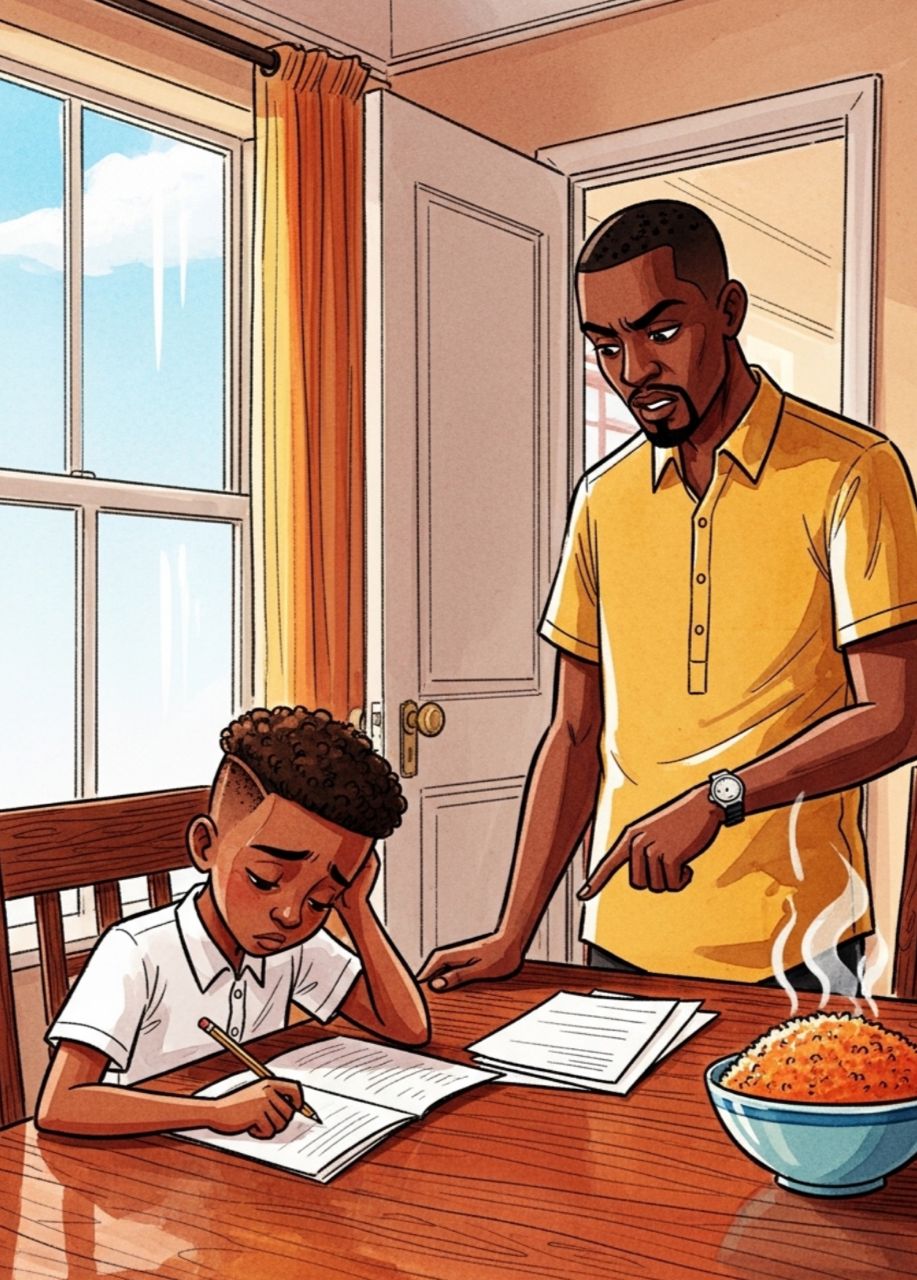
Avoid saying: “Look at your sister.”
“Your classmates can do it.”
Comparison destroys confidence.
>Use Encouraging Language
Instead of: “Why can’t you get it?”
Say: “Let’s try a different way.”
>Work with Teachers
Ask:
• Is my child struggling consistently?
• Can we use phonics-based support?
• Can extra time be given?
>Seek Professional Assessment
If signs persist, consult:
• Educational psychologist
• Clinical psychologist
• Child development specialist
• Special education expert
Early diagnosis allows:
• School accommodations
• Targeted reading support
• Emotional protection
Even if the assessment shows it is not dyslexia, awareness is better than silence.
IMPORTANT MESSAGE FOR PARENTS
Dyslexia does not reduce your child’s future.
But shame and misunderstanding can.
Diagnosis is not a label to fear. It is a tool to guide support.
TALKING TO YOUR CHILD ABOUT DYSLEXIA
Use simple language:
“Your brain learns words differently. That just means we need to teach you in a way that fits your brain.”
When children understand themselves, they stop blaming themselves.
FINAL MESSAGE FOR FAMILIES
Dyslexia is more common than we think. It is simply not spoken about enough.
The goal is not just reading improvement, It is protecting your child’s confidence, identity, and future.
A confident child with dyslexia will go further than a discouraged child without support.