

The holiday season is one of the most emotional times of the year. For many families, it is a season filled with joy, excitement, celebration, and togetherness. But for others, it may also bring stress, worry, loneliness, or feelings of being overwhelmed.
Understanding these emotions both in ourselves and in our children helps us create a more compassionate environment during this festive period.
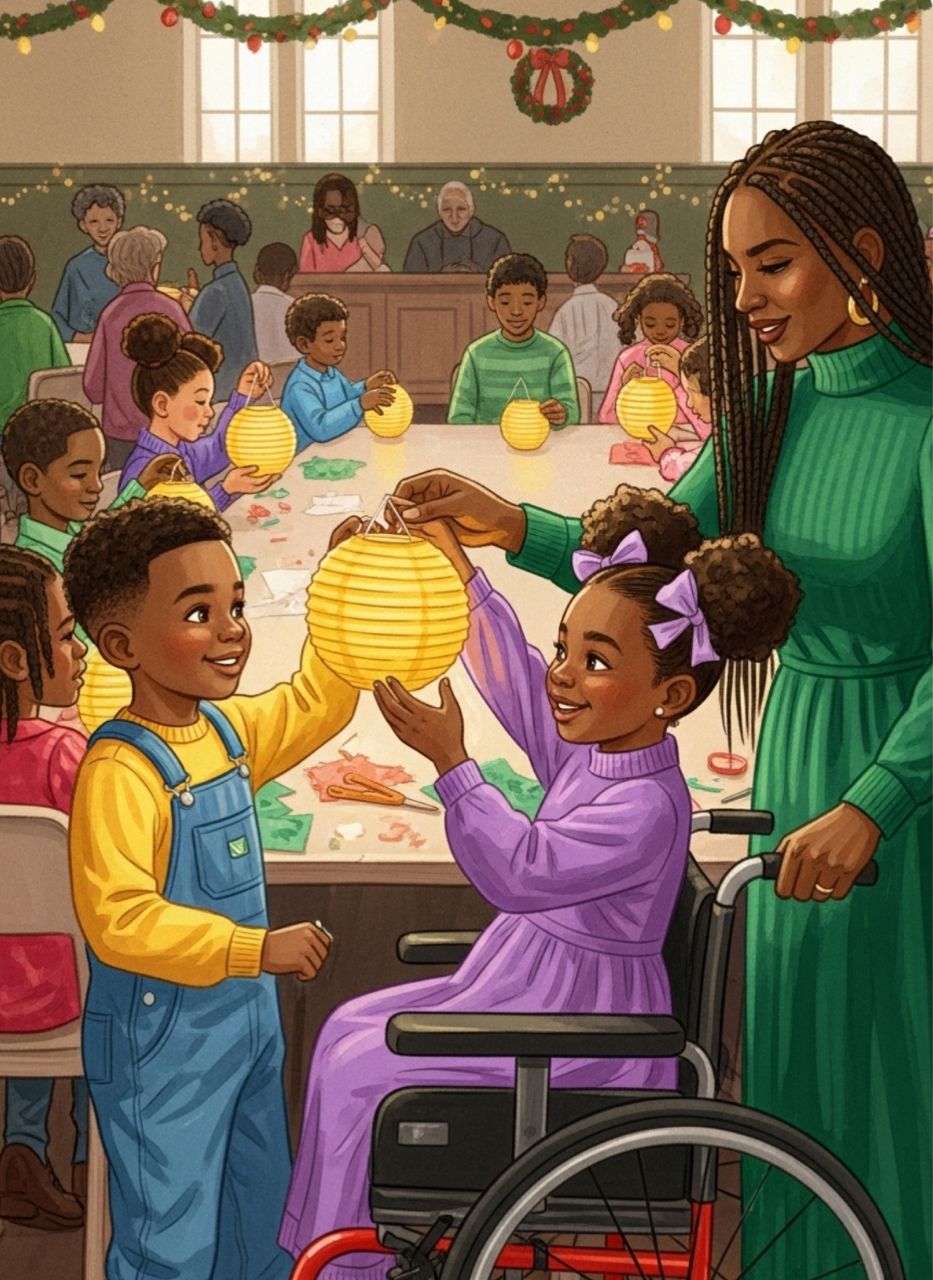
Different Emotions That Come With the Season
- Joy and Excitement
Children often feel excited about holiday activities lights, decorations, gifts, visitors, and special meals. This excitement is healthy, but for some children, it can also be overstimulating.
- Stress and Anxiety
Parents may worry about finances, hosting guests, or meeting family expectations. Children may feel stressed by changes in routine, noisy gatherings, or traveling.
- Loneliness or Sadness
Some people enter the season missing loved ones, feeling left out, or struggling emotionally despite the celebrations around them.

Helping children name and express their emotions teaches them emotional intelligence:
“Are you excited?”
“Do you feel tired?”
“Are you worried about something?”

These simple conversations help children feel safe and understood.
BEING KIND TO CHILDREN WITH PHYSICAL CHALLENGES
The holiday season is also a perfect time to teach children kindness, empathy, and inclusion, especially toward children with physical challenges.
These challenges may include:
- Difficulty walking or using their legs
- Issues with balance
- Delayed fine motor skills
- Need for assistive devices like wheelchairs, walkers, or braces
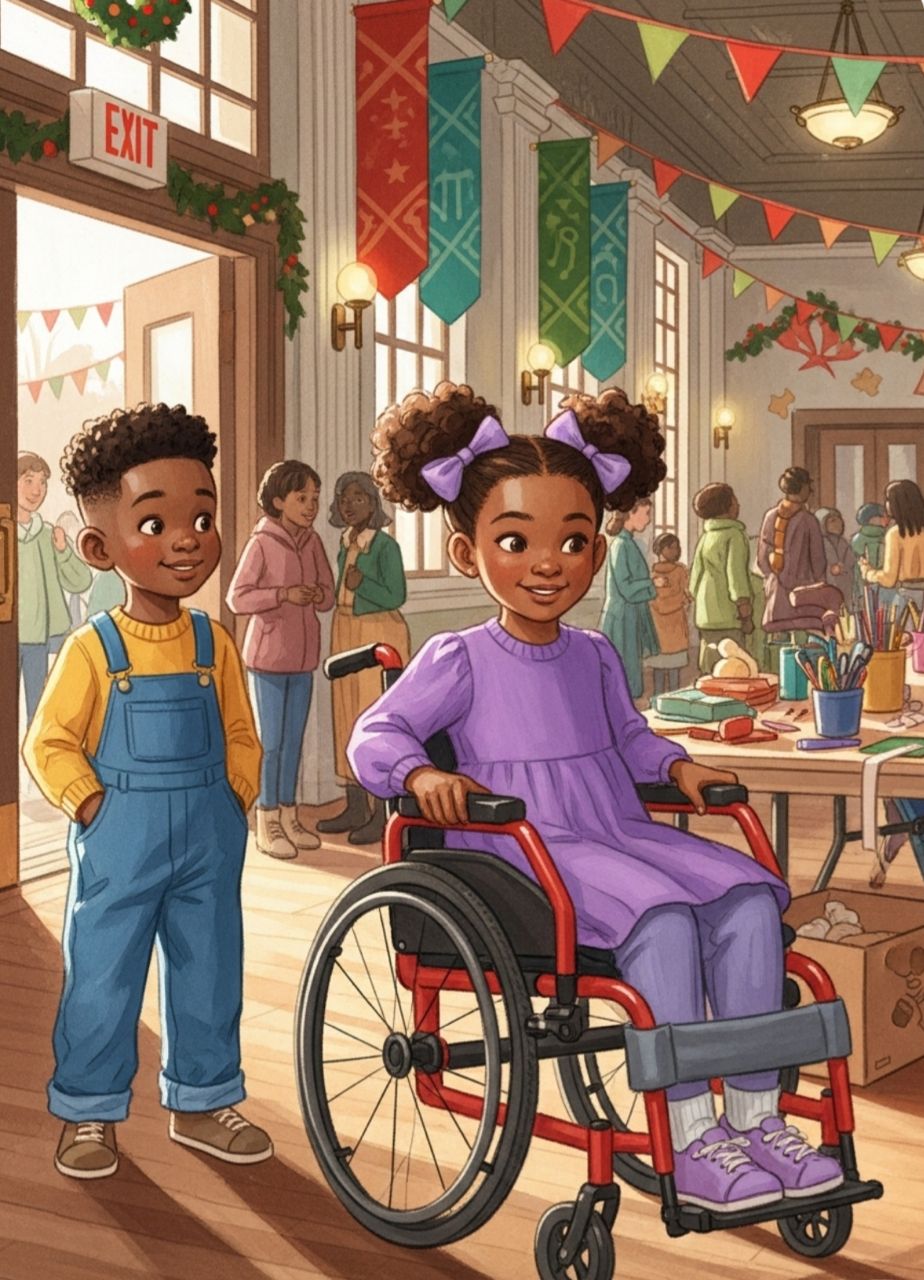
Many parents want to teach kindness but don’t know how to explain physical disabilities in a child friendly way.
How Parents Can Explain It Simply
You can say:
“Some children’s bodies work differently. They may need help walking or doing some activities. But they still want to play, laugh, and enjoy the holidays just like you.”
This simple explanation helps children understand without fear or judgment.

HOW TO TEACH CHILDREN KINDNESS & INCLUSION
Here are practical ways parents can guide their children:
- Encourage Respectful Curiosity
If a child asks, “Why is he using that chair?”
You can reply,
“That chair helps him move around comfortably. Everyone’s body works differently and that’s okay.”
- Discourage Staring or Teasing
Teach children that staring, pointing, or laughing can hurt others.
Instead, encourage smiling, greeting, or inviting them to join a game.
- Involve Physically Challenged Children in Holiday Activities
- Decorating the Christmas tree together
- Playing simple inclusive games
- Sharing snacks
- Making holiday crafts
Small gestures make a big difference.
- Model Kindness Yourself
Children learn more from what they see than what they are told.
When they see you being gentle, helpful, and respectful, they naturally follow.

HOLIDAY AWARENESS: WHAT PARENTS SHOULD WATCH OUT FOR
During this season, pay attention to children who:
- Avoid social activities
- Get easily overwhelmed
- Show frustration during physical play
- Struggle with movements that other children their age handle easily
- Become unusually quiet or withdrawn
These may be signs of emotional stress or physical difficulty.
Calmly talk with your child and, if needed, consult a pediatrician or therapist.
A SEASON TO CELEBRATE LOVE
The holiday season is more than lights, decorations, food, and gifts.
It is a time to:
Notice the emotions in our homes
Create space for children to express themselves
Be gentle with ourselves and others
Teach kindness, especially toward physically challenged children
Celebrate love, community, and empathy
May this season remind us that the greatest gift we can give is kindness, the kind that makes every child feel valued, seen, and included.
I was totally glued to this page I just wanted to keep reading, the beautiful pictures made everything so fun to read good work keep it up.
Thank you so much! We’re really glad you enjoyed it and that the pictures made the reading experience fun for you. Your kind words mean a lot, thank you for the encouragement!