
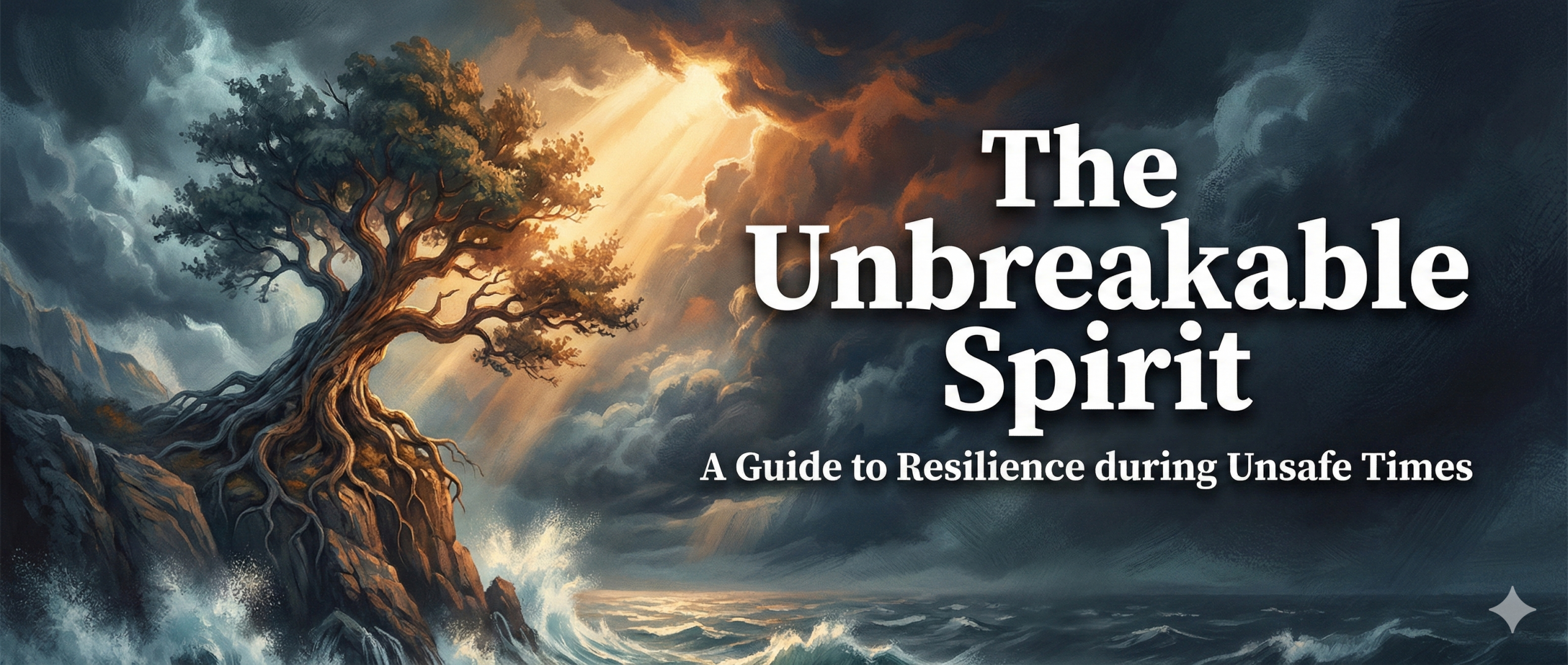
by Mfon Michael
In my last article, I talked about the effect of living in unsafe environments and how it affects our mental health. I think the reality of living in a community plagued by banditry, kidnapping, or volatile religious conflicts is a burden few should ever have to bear. The constant hum of fear, the need for hyper-vigilance, and the erosion of trust can make daily life feel like a continuous fight for survival.
This article is not about politics or policy, it’s about the tools of resilience, the strategies of preparedness, and the strength of the collective heart that allows people to survive and, eventually, thrive, even when the ground beneath them feels unstable.
The core of individual preparedness is situational awareness. In an environment where threats are disproportionate and unpredictable, personal safety begins with awareness, not fear.
It is important to create an emergency protocol; every individual and family unit must create a pre-defined crisis protocol. Here in Nigeria, we have heard several stories of communities being attacked by night when everyone is sleeping. I would suggest that every family comes up with the following:
- Emergency Kit: Keep a small, non-descript bag ready with essentials: first aid supplies, copies of critical documents (ID, certificates, insurance), essential medication, non-perishable food, and enough cash for at least 72 hours. Keep the kit simple and discreet.
- Communication Tree: Designate a single point of contact (a reliable relative or friend) outside the affected zone. If communication fails with one family member, everyone contacts this external person, who serves as the information hub.
- Escape Routes: Know all exit points from your home, your neighborhood, and your usual routes. Practice what to do if the main road is blocked.
Another vital point is maintaining and mastering a low profile: In high-risk areas, attracting attention can be dangerous and expose you to harm. It is advisable to;
- Minimize Display of Wealth: Avoid wearing expensive jewelry, using high-end electronics in public, or discussing financial matters openly.
- Swerve Your Routine: If you travel the same route at the same time every day, you become a predictable target. Vary your routes, timings, and transportation methods whenever possible.
- Be an Observer: When in public, scan your environment constantly. Look for anything that feels “off” like a vehicle parked too long, groups loitering without purpose, or sudden, abnormal silence. Trust your gut.

Building Collective Strength to create a Community Shield is another important thing to do. No individual can survive prolonged instability alone. The most successful communities are those that transition from being a collection of individuals to a unified network of mutual support.
Establish controlled Information Networks; gossip and rumors are dangerous in a crisis. Establish a controlled, private, and secure channel (like a trusted WhatsApp group or a physical meeting structure) for sharing verified safety-related intelligence.
- Verify, don’t amplify: Treat every piece of crisis information as unverified until confirmed by multiple trusted sources. Never forward or spread rumors that could cause panic.
- Designated spokespersons: Appoint a small, trusted group of leaders to interface with local authorities or security forces, preventing confusion and conflicting messages.
Neighbourhood Watch & Inter-Group Dialogue is a necessity in perceived unsafe environments; in contexts of religious or ethnic violence, security efforts must cross divides to prevent polarization.
- Interfaith Safety Committees: If protests or killings are based on identity, establishing a committee made up of respected leaders from all involved groups is paramount. This committee acts as an early warning system, defusing tensions before they escalate.
- Structured Cooperation: Organize neighborhood patrols (unarmed, based on observation and reporting) and establish a system where neighbors check on the elderly, the sick, and single parents daily
Maintaining psychological resilience is an Inner battle for people living in unsafe terrains. The psychological toll of living under constant threat and fear can be as destructive as the physical violence itself. Resilience is about finding ways to live normally, even when the world is abnormal.
Maintaining Routine and Purpose is a powerful anchor against chaos. Wake up, eat, work, and sleep at consistent times. Continuing to pursue education, a small business, or religious practice can give the mind a sense of normalcy and control.
Knowing when to seek help is a sign of strength, not weakness, same as acknowledging when the trauma is too much and seeking for help. Seek out professional counselors, religious leaders, or community elders trained in trauma management. Helping others also provides a profound sense of purpose and counteracts feelings of helplessness.
Surviving prolonged insecurity is an act of quiet, persistent heroism. It requires prudence, solidarity, and a profound commitment to the future.
The darkness of insecurity only lasts until the light of day. By staying prepared, supporting your neighbors, and safeguarding your mental peace, you will not only survive the present but also protect the shared capacity to rebuild and ensure a safer tomorrow. Stay alert, stay united, and endure.
Disclaimer: Please note that this information is for awareness and preparedness only and does not substitute professional security advice or official law enforcement guidance.
Wow beautiful being prepared is everything, I am going to prepare my emergency kit, and be alert and observant and communicate with the right people and avoid public display thank you for this wonderful write up.