
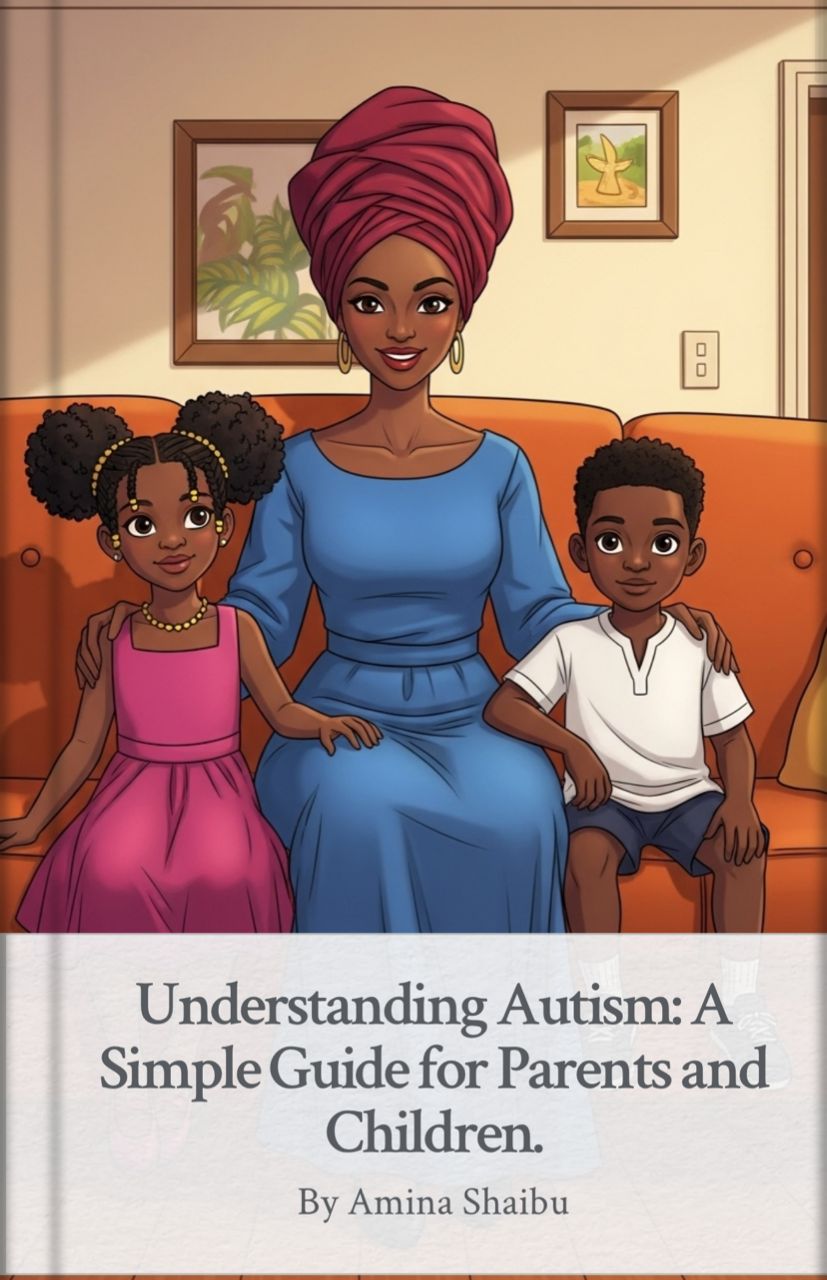
Autism also called Autism Spectrum Disorder (ASD) is a developmental condition that affects how a child communicates, behaves, and interacts with others. It is more common than many people realize, including here in Nigeria, but because it is not often talked about, many children remain undiagnosed for years.
Early awareness can help parents support their children better. Even if the signs you notice turn out to be false alarm, it is always better to check than to ignore.
Below are explanations of the major symptoms of autism based on the DSM-5-TR and DSM-5-TR Made Easy, written in a way parents can understand and teach their children.

- Challenges with Social Interaction
Children with autism may find it difficult to connect socially the way other children do.

What this looks like:
- Not looking at you when you call their name
- Preferring to play alone
- Not showing interest in other children
- Not sharing excitement (e.g., not pointing to show you something interesting)
- Struggling to understand other people’s feelings
Why this matters:
Social interaction is the foundation of communication and relationships. Difficulty in this area is one of the core signs of autism.

- Difficulties with Communication
Communication can be delayed or different from what parents expect.

What this looks like:
- Late to start talking
- Using very few words or repeating the same words (echolalia)
- Speaking in a flat or unusual tone
- Difficulty holding a normal back-and-forth conversation
- Trouble understanding jokes, instructions, or gestures

Why this matters:
Communication difficulty is a major diagnostic point in the DSM-5-TR for autism.

- Repetitive Behaviours and Restricted Interests
Children with autism often repeat actions and may have strong, specific interests.

What this looks like:
- Repeating movements like hand-flapping, rocking, spinning, pacing
- Playing with toys the same way every day
- Getting upset if routines change
- Deep interest in one thing (letters, numbers, cars, cartoons, etc.)
Why this matters:
These patterns help in diagnosis and are key features of autism according to DSM-5-TR.

- Sensory Differences
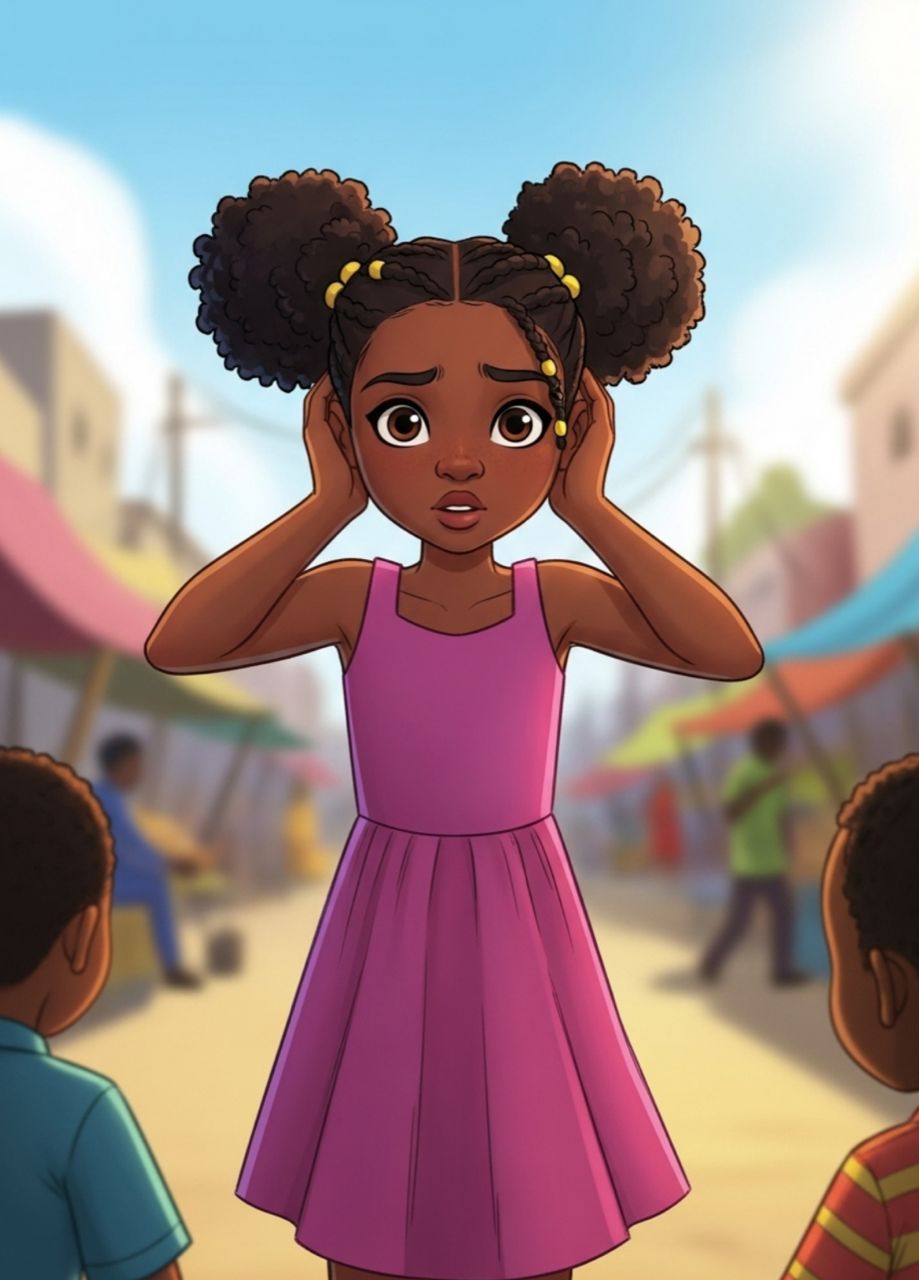
Many autistic children react strongly or barely react to sounds, lights, touch, or textures.

What this looks like:
- Covering ears for everyday sounds
- Not liking bright lights
- Refusing certain clothes because of how they feel
- Fascination with lights, spinning objects, or movement
- Very picky eating because of textures or smell

Why this matters:
Sensory challenges are common in ASD and can affect learning and daily life.
- Difficulty Adjusting to Change
Most autistic children prefer routine and may get anxious when things change unexpectedly.
What this looks like:
- Meltdowns when plans change
- Distress when moving from one activity to another
- Wanting the same food, route, clothes, or schedule
Why this matters:
This is part of the DSM-5-TR description of restricted and repetitive behaviors.
- 6. Differences in Learning and Play
Autistic children may learn differently or show unusual patterns in play.

What this looks like:
- Lining up toys instead of playing pretend
- Focusing on parts of objects (like wheels) rather than the whole toy
- Being extremely advanced in some areas (hyperlexia, memory, numbers) but needing help in others
Why this matters:
Autism does not mean the child cannot learn only that they learn differently.
When Should Parents Seek Diagnosis?
Please take your child for professional assessment if:
- You notice several of the symptoms above
- Your child is not meeting expected milestones
- Your child communicates, plays, or reacts differently than others their age
Diagnosis does not harm your child. Instead, it opens the door to support, therapy, and understanding.
Autism Awareness Message for Nigerian Parents
Autism is not caused by spiritual attacks, bad parenting, village people, and punishment from God, or vaccines.
It is a neurodevelopmental condition that can be managed with love, therapy, and early support.
Awareness saves lives. Awareness protects children. Awareness reduces stigma.