
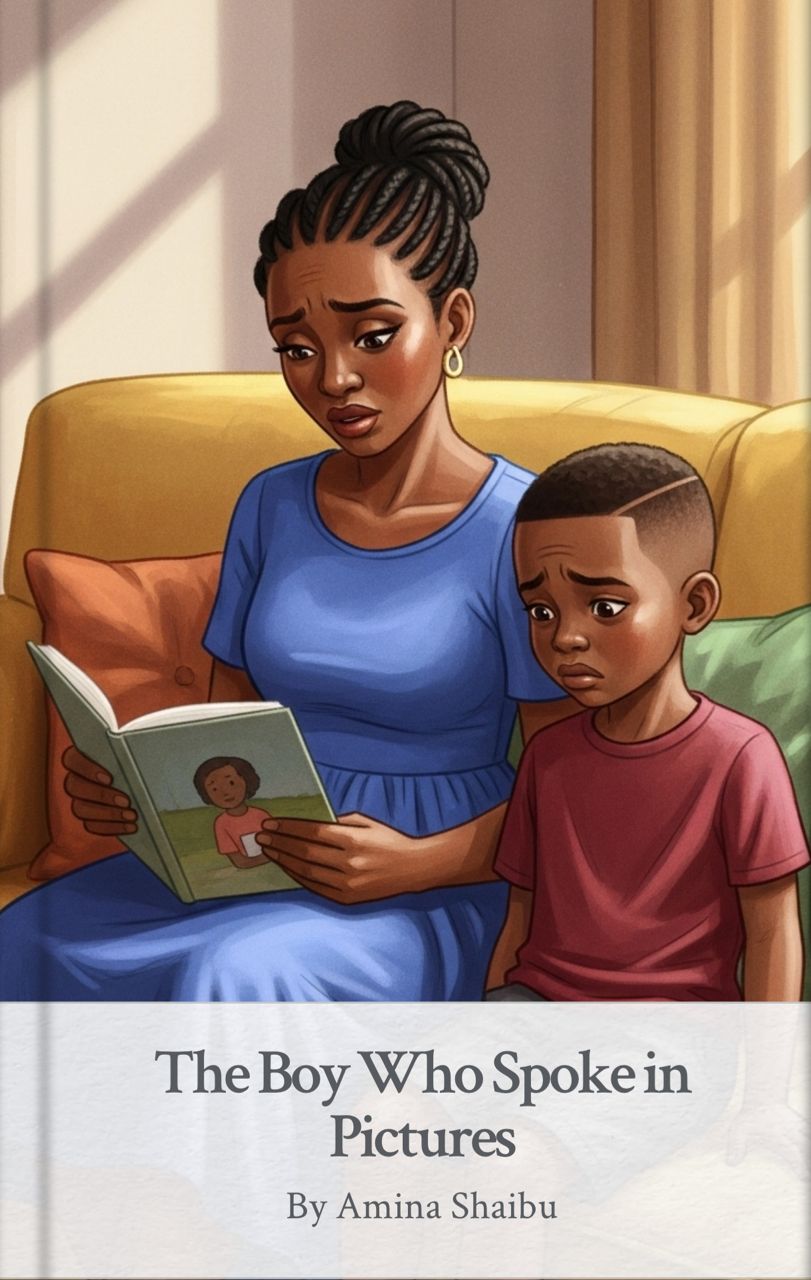
Many Nigerian children struggle in school, not because they are lazy or not intelligent, but because they may have dyslexia — a learning difference that affects how the brain processes written language.
Dyslexia is common, but rarely spoken about in many parts of Nigeria. This silence often leads to children being labelled as:
- “slow”
- “stubborn”
- “not serious”
- “not paying attention”
- “forgetful”
But in reality, many of these children simply learn differently.
The good news is:
Dyslexia does not affect a child’s intelligence.
With early support, children with dyslexia thrive.
This guide simplifies what the DSM-5-TR says about dyslexia so that every parent can recognise the signs early and seek a professional diagnosis.
What Is Dyslexia?
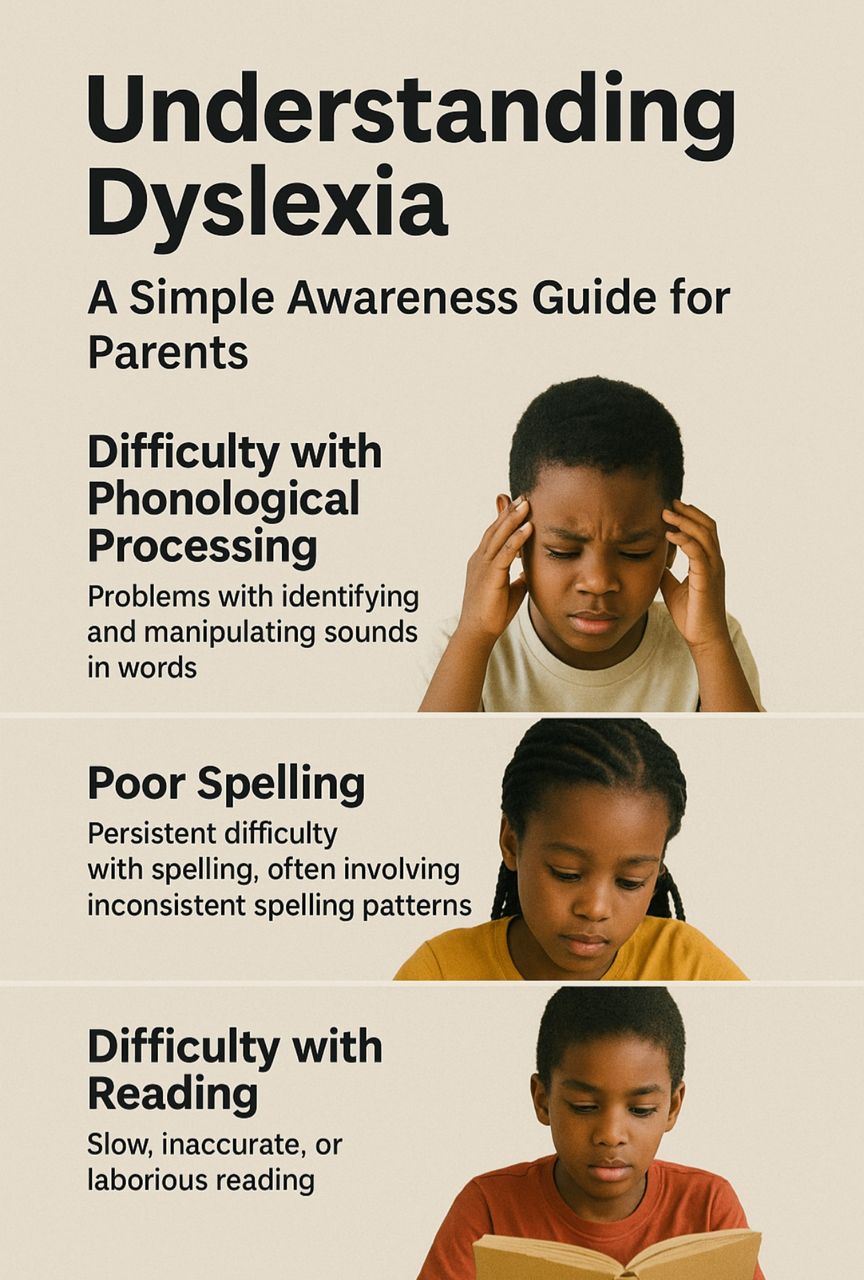
According to the DSM-5-TR, dyslexia is a type of Specific Learning Disorder (SLD) that affects:
- reading accuracy
- reading fluency
- spelling
- understanding written words
In simple terms:
A child with dyslexia sees the words, but the brain struggles to process them correctly.
Key Symptoms of Dyslexia (Explained in Simple Language)
Below are the major symptoms the DSM-5-TR describes, rewritten in a way parents can easily understand.
Each symptom includes a short summary to help guide you.
1️⃣ Difficulty Reading Words Correctly
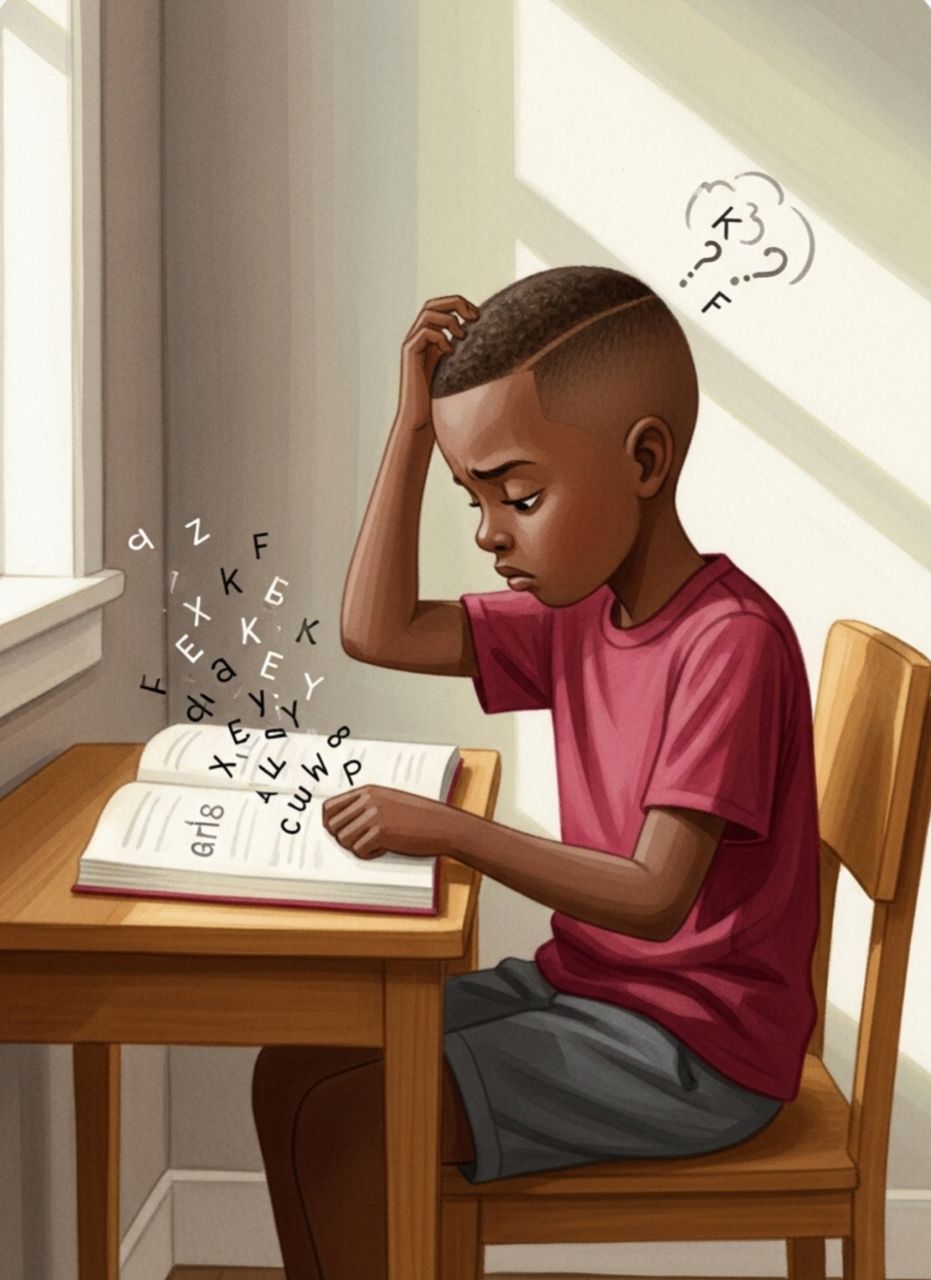
The child cannot read single words smoothly. They may guess words or read them incorrectly.
Your child often reads words wrongly even when they have seen them many times.
Example: reading “house” as “horse” or “hose.”
Why It Matters:
This is one of the earliest and most common signs of dyslexia.
2️⃣ Slow, Effortful Reading
Reading takes much longer, and children may skip lines or lose their place.
Your child reads very slowly and gets tired or frustrated faster than others.
Why It Matters:
Children know the answers in their head, but the reading difficulty slows them down.
3️⃣ Problems Spelling Words
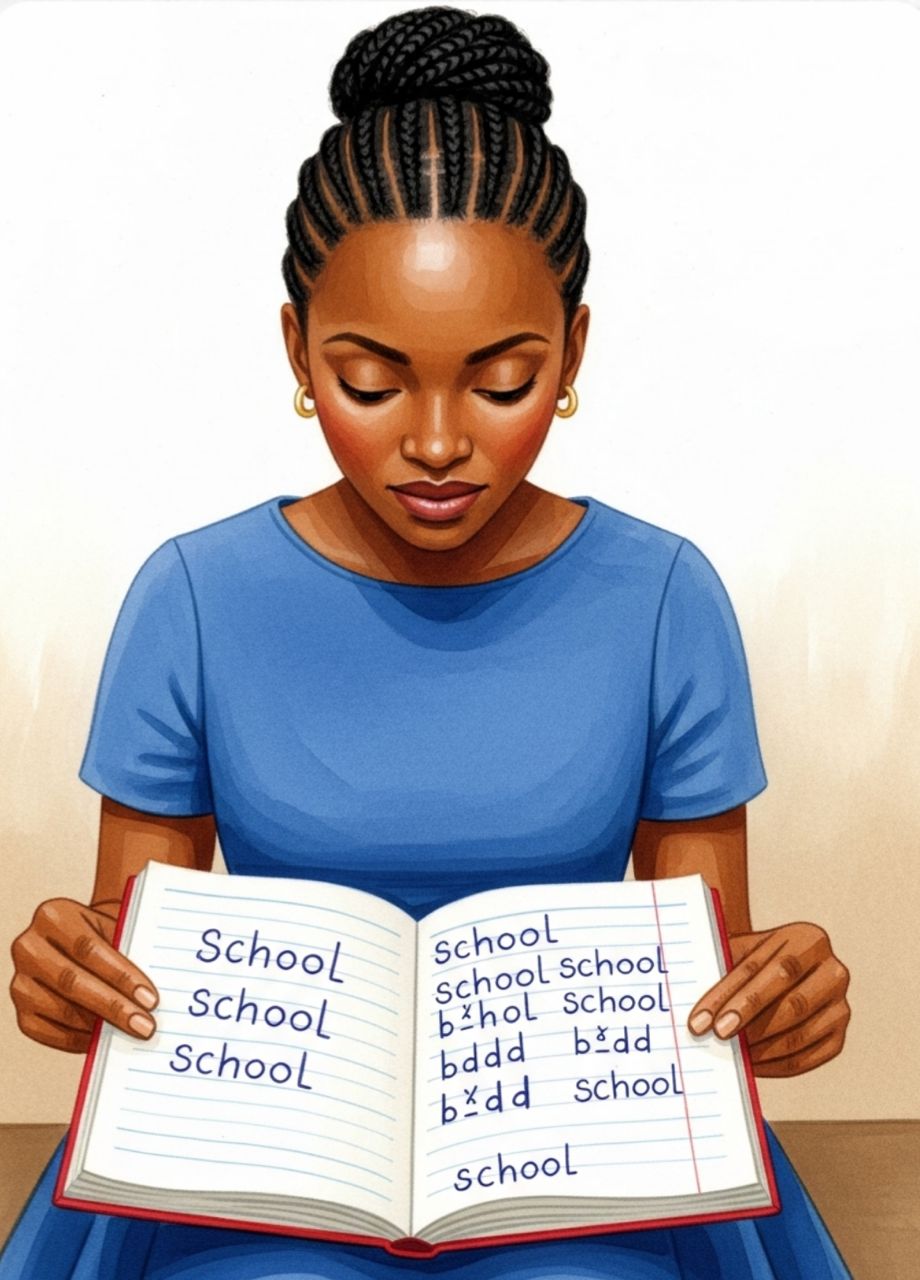
Words may be spelled in different ways each time, with missing or mixed-up letters.
A child with dyslexia might write “sclool,” “skul,” or “school” — all in the same day.
Why It Matters:
This inconsistency is a strong clue that the issue is dyslexia, not carelessness.
4️⃣ Difficulty Sounding Out Words (Phonics Problems)
Trouble connecting letters to the sounds they make.
Your child struggles to read new or big words because they cannot break words into sounds, for example:
- “wa-ter”
- “ba-na-na”
- “car-pet”
Why It Matters:
This is one of the core markers used during diagnosis.
5️⃣ Mixing Up Letters and Sounds
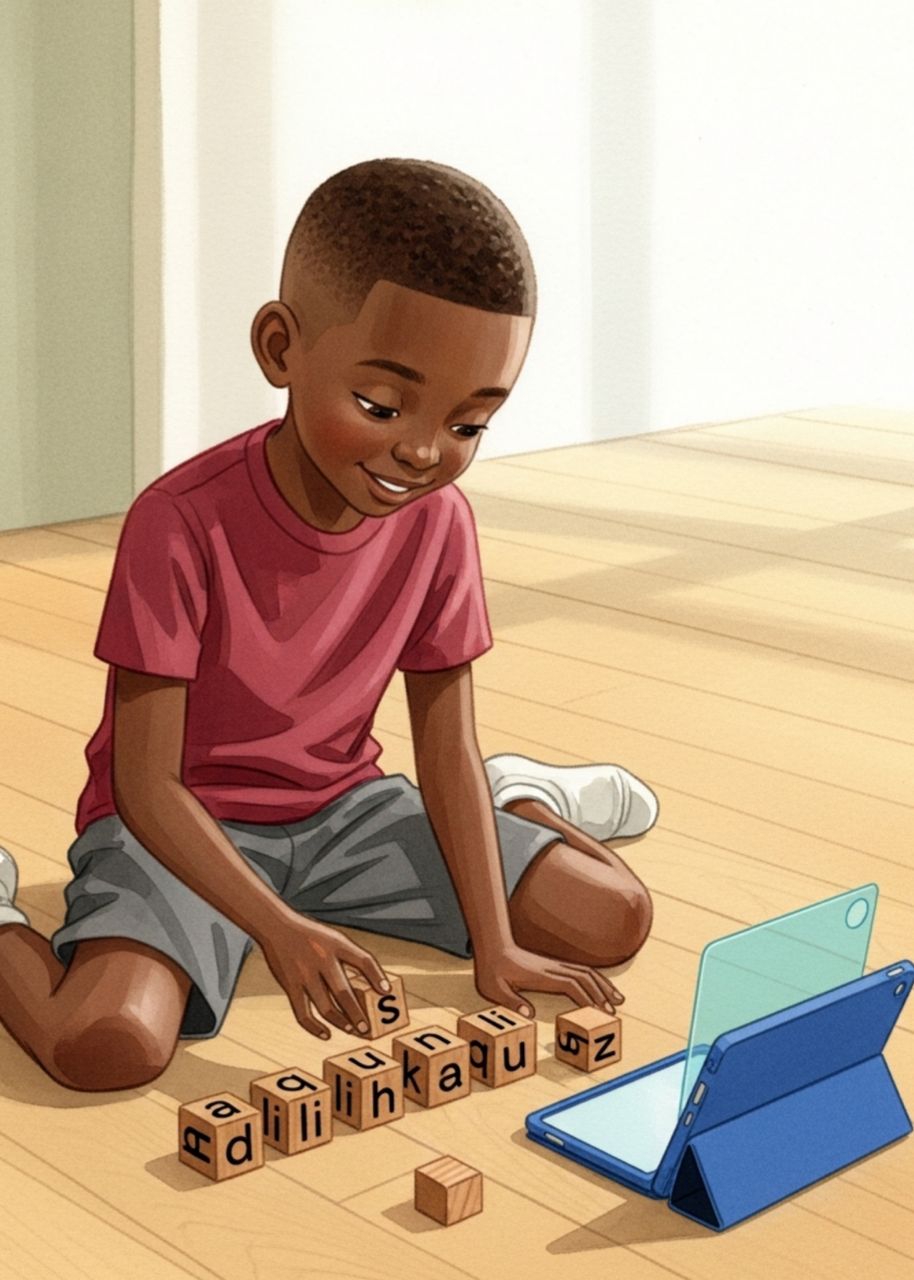
Confusion of similar-looking letters.
Your child may reverse letters like:
- b and d
- p and q
- m and w
Why It Matters:
This is common among younger children, but when it continues for too long, it may signal dyslexia.
6️⃣ Weak Memory for Words & Instructions
Difficulty remembering what was read or instructions involving language.
A child might read a sentence, look away, and immediately forget what it said.
Why It Matters:
Parents may think the child is “not listening,” but it is actually a processing issue.
7️⃣ Struggles With Reading Comprehension
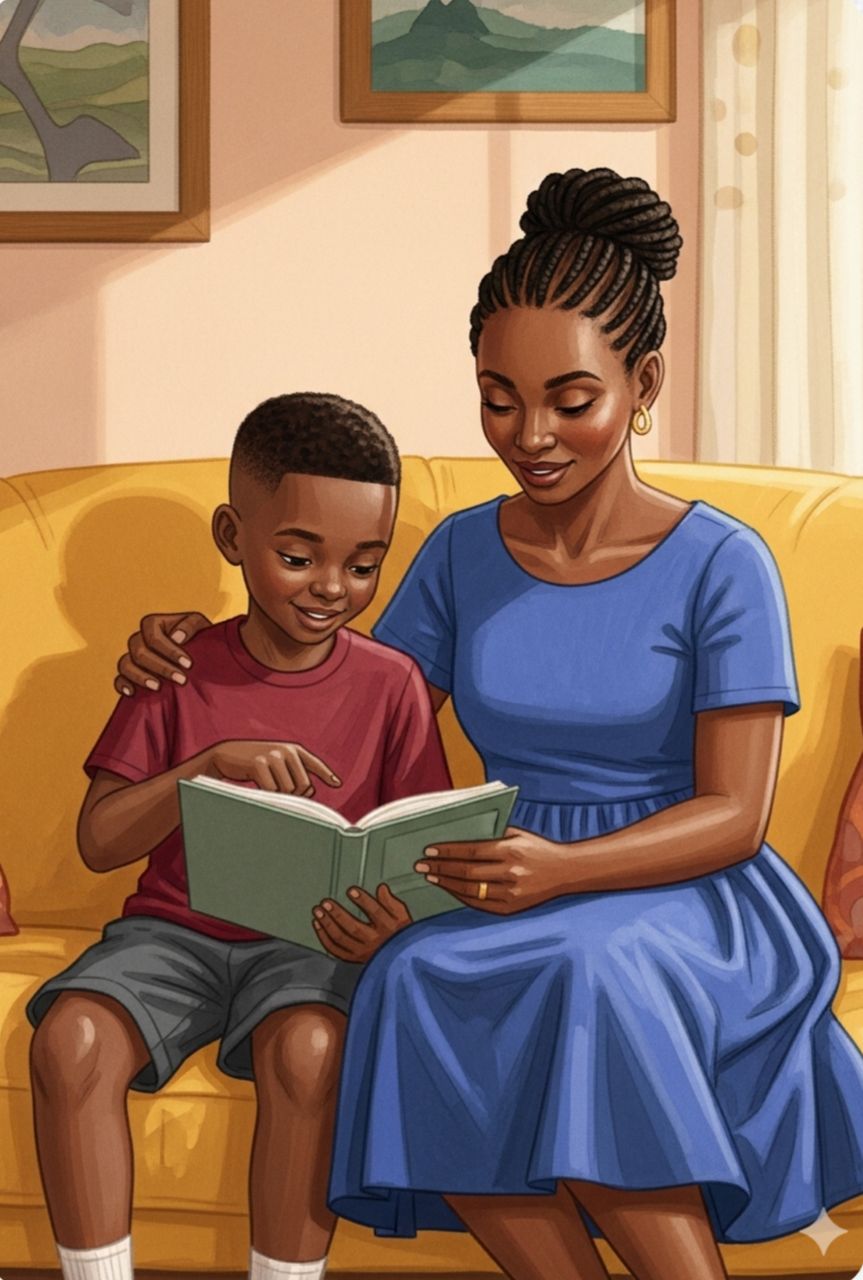
The child reads the words, but they do not fully understand what the passage means.
Your child can read the text out loud but cannot explain what they read.
Why It Matters:
Children may pass oral exams but struggle in written tests.
8️⃣ Poor Writing Skills (Dysgraphia Overlap)
Messy handwriting, poor sentence structure, and difficulty organizing thoughts.
Your child may have ideas in their head but cannot put them on paper clearly.
Why It Matters:
Often overlaps with dyslexia, making schoolwork even harder.
When Should You Seek a Formal Diagnosis?
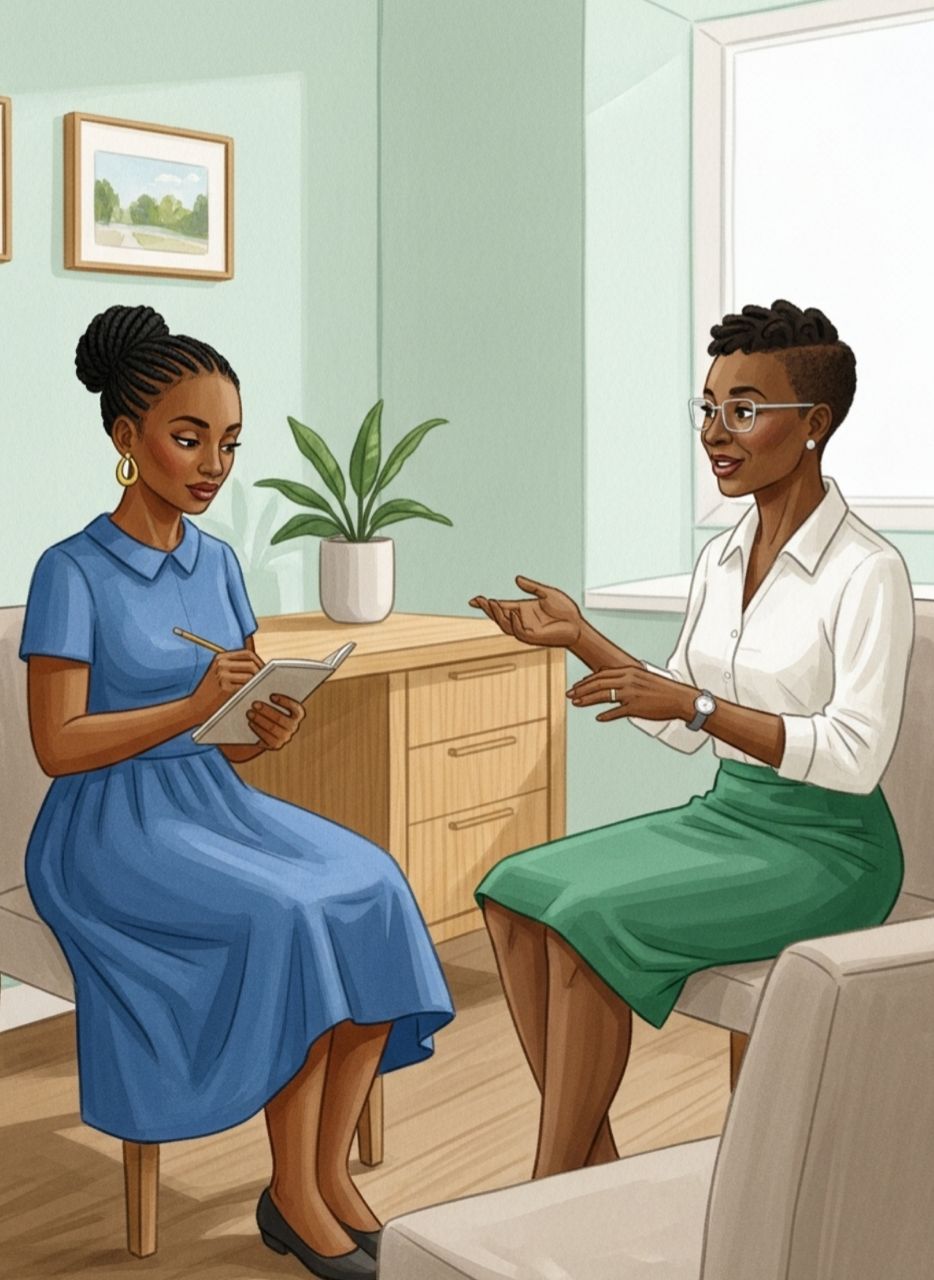
Seek help if you notice 3 or more of these signs lasting more than 6 months, especially if:
- Your child is struggling more than classmates
- Teachers keep complaining about reading or writing
- Your child avoids reading or cries during homework
A diagnosis does not harm the child — it helps them get support.
Who Can Diagnose Dyslexia in Nigeria?
You can contact:
- Educational psychologists
- Child neurologists
- Clinical psychologists
- Trained learning disability specialists
Some NGOs also provide screening and assessments.
Final Message to Parents
Dyslexia is not a disease.
It is not a curse.
It is not caused by poor parenting.
It is simply a different way of learning — and with the right help, children with dyslexia can become:
- writers
- engineers
- business leaders
- artists
- innovators
Your awareness can change your child’s life.