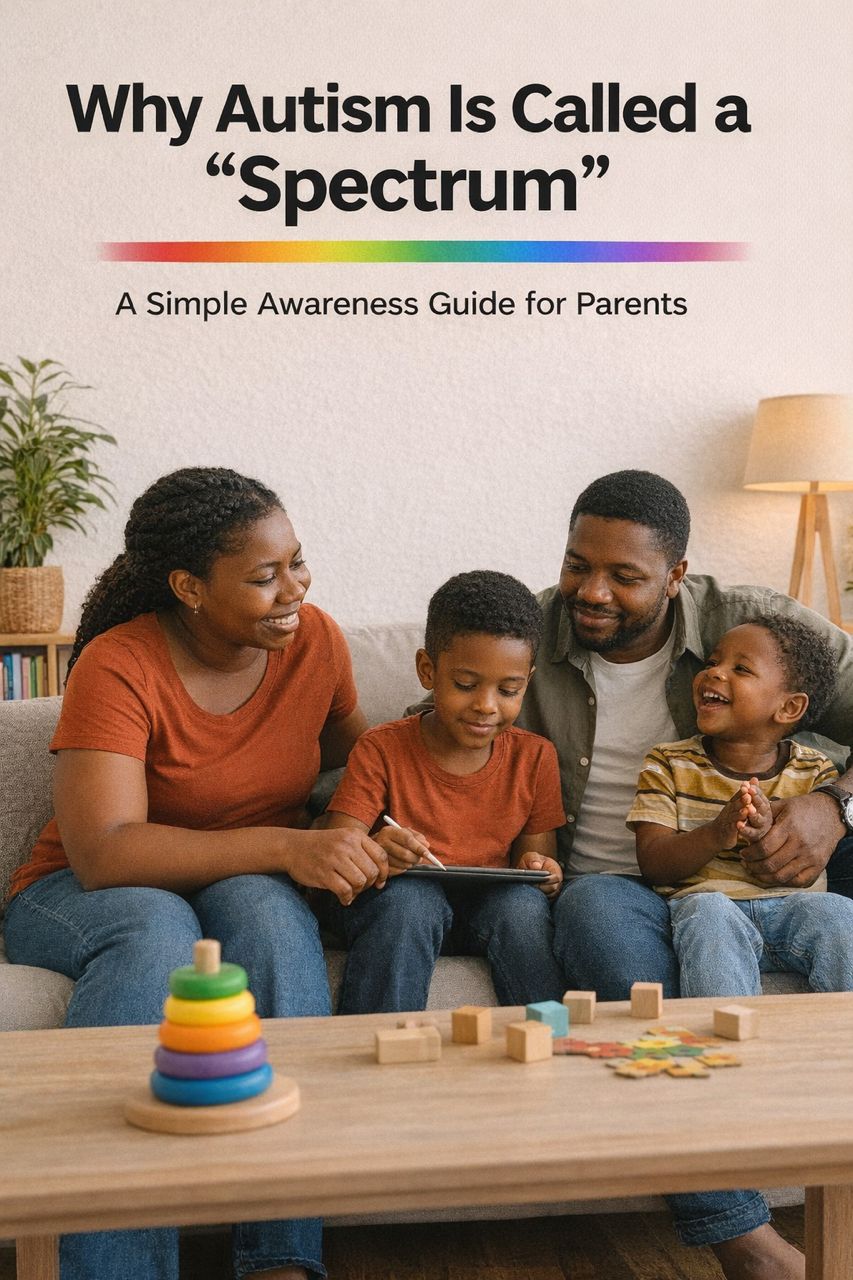
Many parents ask:
“If autism is one condition, why do children look so different?”
Some autistic children talk a lot, others do not talk at all. Some do well in school, others
struggle greatly. Some need little support, others need constant care.
This is why autism is called a SPECTRUM.
What the DSM-5-TR Means by “Autism Spectrum”
According to the DSM-5-TR, autism is diagnosed as Autism Spectrum Disorder (ASD)
because: • Autism affects multiple areas of development • Symptoms vary in type,
severity, and combination • No two autistic children are exactly the same
Think of autism not as a straight line, but as a wide range of experiences.
What Does “Spectrum” Really Mean? (In Simple Terms)
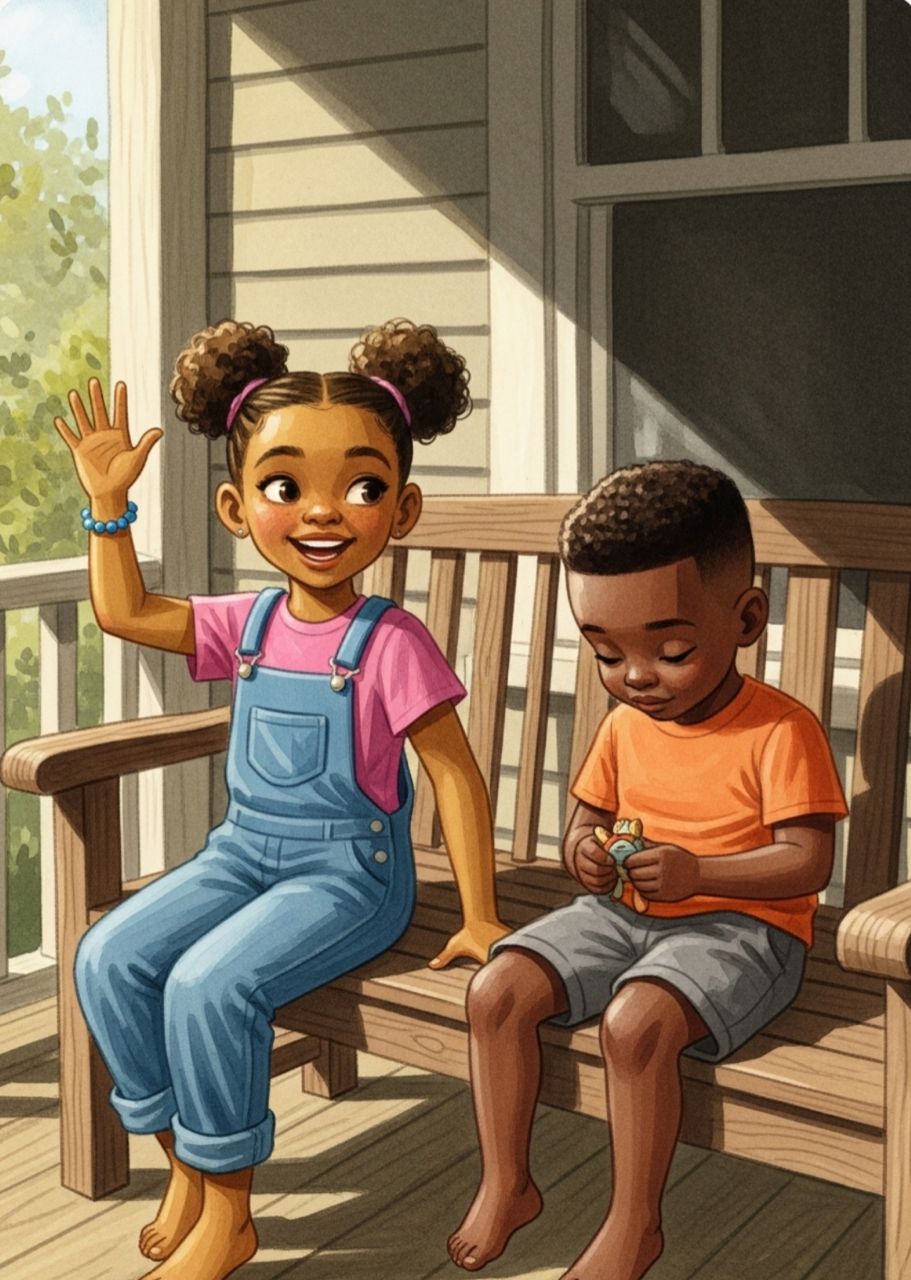
The spectrum does NOT mean: mild →severe better →worse intelligent →unintelligent
The spectrum means: different strengths, different challenges, different support needs.
Areas Where Autism Shows Differences on the Spectrum
The DSM-5-TR groups autism symptoms into two main areas, but each area looks
different from child to child.
Social Interaction & Relationships
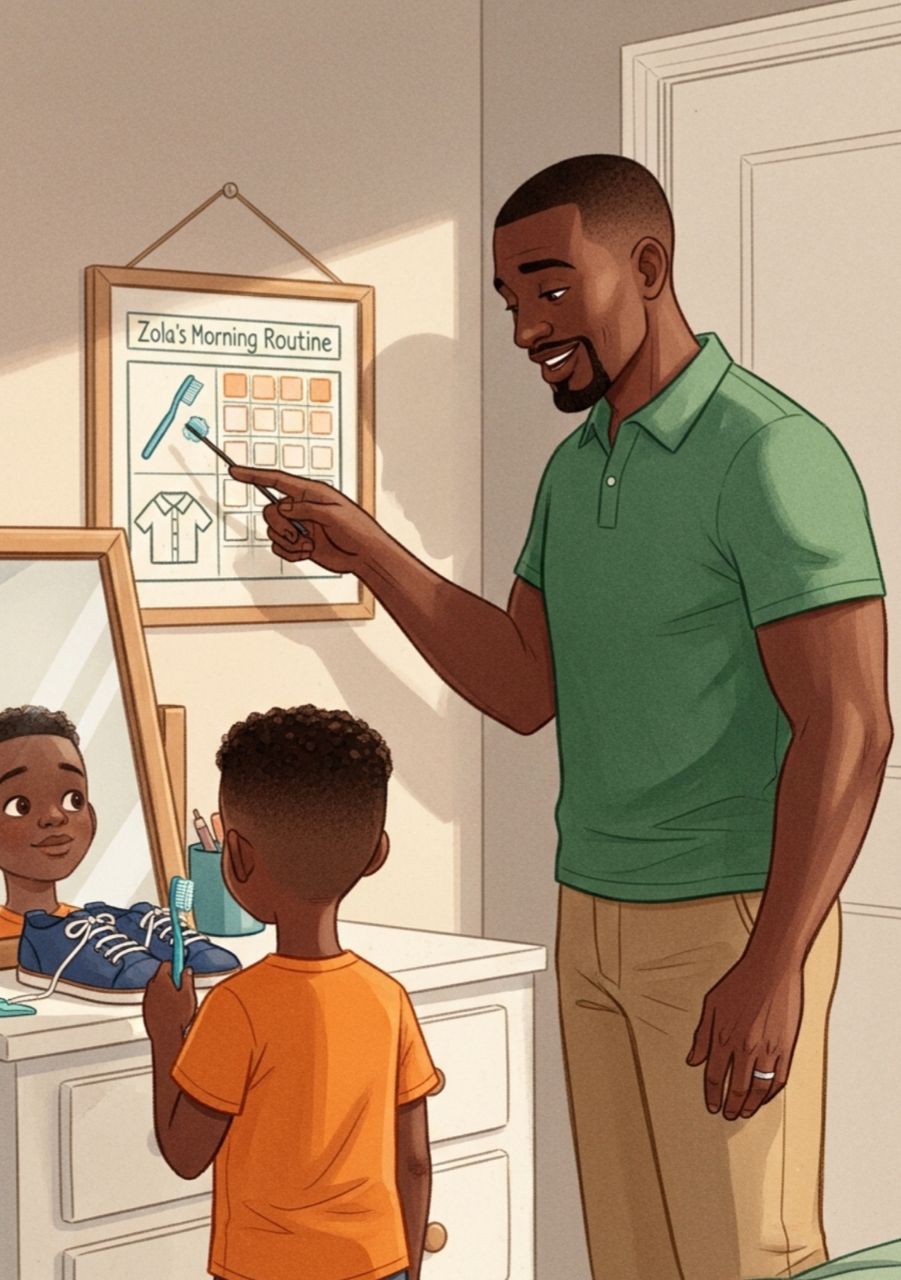
Persistent difficulties in social communication and interaction.
How This Appears on the Spectrum
Some children: • Avoid eye contact completely, Others: • Make eye contact but struggle
to understand social cues.
Some: • Prefer to be alone, Others: • Want friends but don’t know how to connect.
Simple Summary for Parents
“My child relates to people differently.”
Communication Differences

Deficits in verbal and non-verbal communication.
How This Appears on the Spectrum
Some children: • Do not speak at all, Others: • Speak fluently but struggle with
conversation.
Some: • Repeat words or phrases, Others: • Take language very literally.
Simple Summary
“My child communicates in their own way.”
Repetitive Behaviours and Interests

Restricted, repetitive patterns of behaviour or interests.
How This Appears on the Spectrum
Some children: • Flap hands or rock, Others: • Become deeply focused on one topic,
Some: • Repeat movements, Others: • Repeat questions or routines.
Simple Summary
“My child repeats actions or focuses deeply on certain things.”
Sensory Processing Differences

Hyper or hypo reactivity to sensory input.
How This Appears on the Spectrum
Some children: • Are very sensitive to noise, touch and light, Others: • Seem not to feel
pain or temperature.
Some: • Hate certain clothes or foods, Others: • Seek strong sensations (spinning,
jumping)
Simple Summary
“My child experiences sounds, touch, and light differently.”
Daily Living and Independence Skills
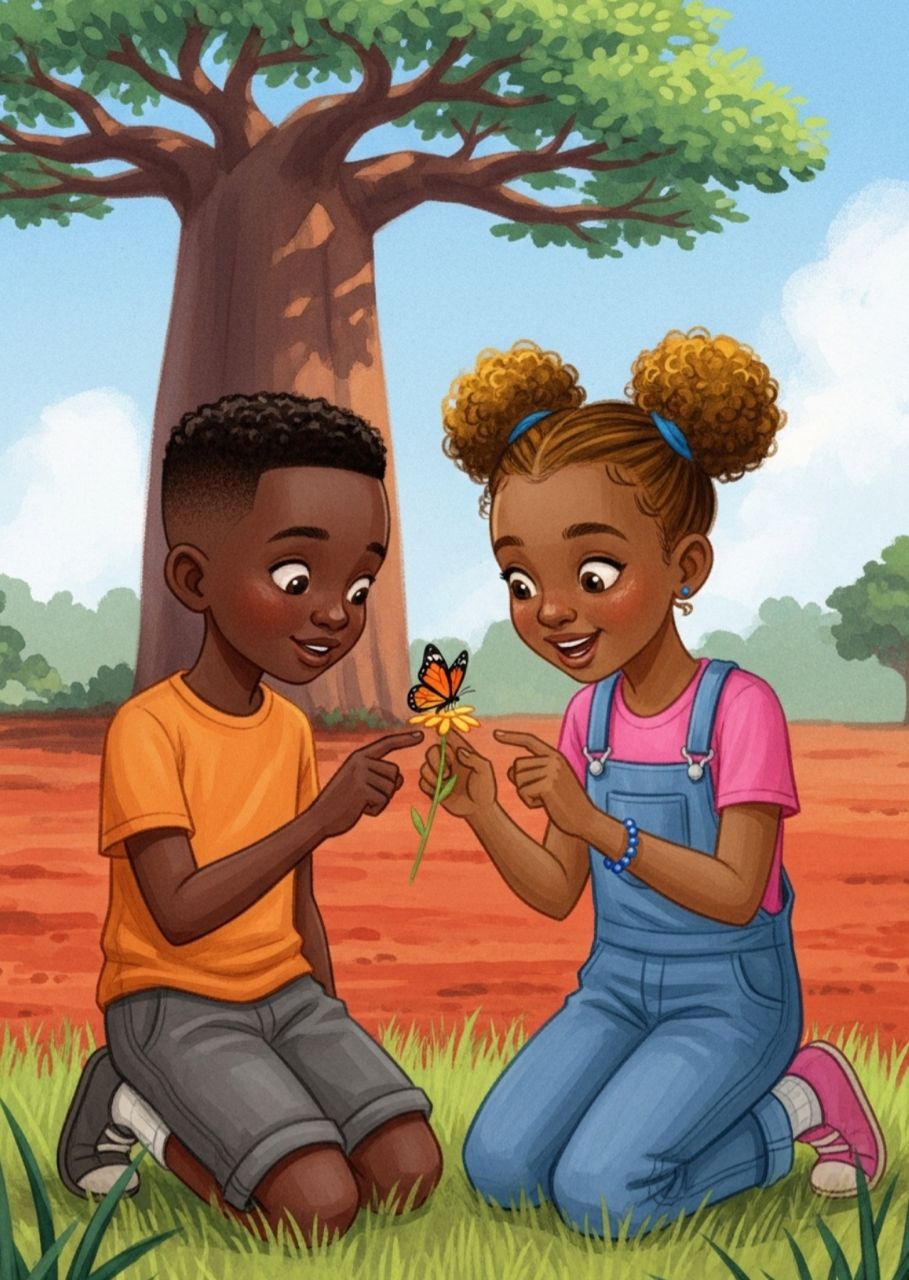
Symptoms affect everyday functioning.
How This Appears on the Spectrum
Some children: • Can dress, eat, and care for themselves, Others: • Need help with daily
activities.
Some: • Do well academically, Others: • Need learning support.
Simple Summary
“My child needs a different level of support.”
Why Understanding the Spectrum Is Important for Parents?
Understanding the spectrum helps parents: stop comparing children, stop blaming
themselves, stop expecting “one autism behaviour”, seek appropriate support, not
punishment.
When Should Parents Seek Diagnosis?

Seek assessment if: • Multiple signs appear early and persist, • Development seems
different from peers, • Teachers or caregivers express concern, • The child struggles to
function socially or emotionally.
Even if the child is talking, smart, or doing well, autism can still be present.
Who Can Diagnose Autism? • Developmental pediatricians • Clinical psychologists •
Child psychiatrists • Multidisciplinary assessment teams.
Final Message to Parents
Autism being a spectrum means: • Every child is unique • Every child deserves
understanding • Every child can grow with the right support.
Awareness does not label a child, it opens doors to help
