
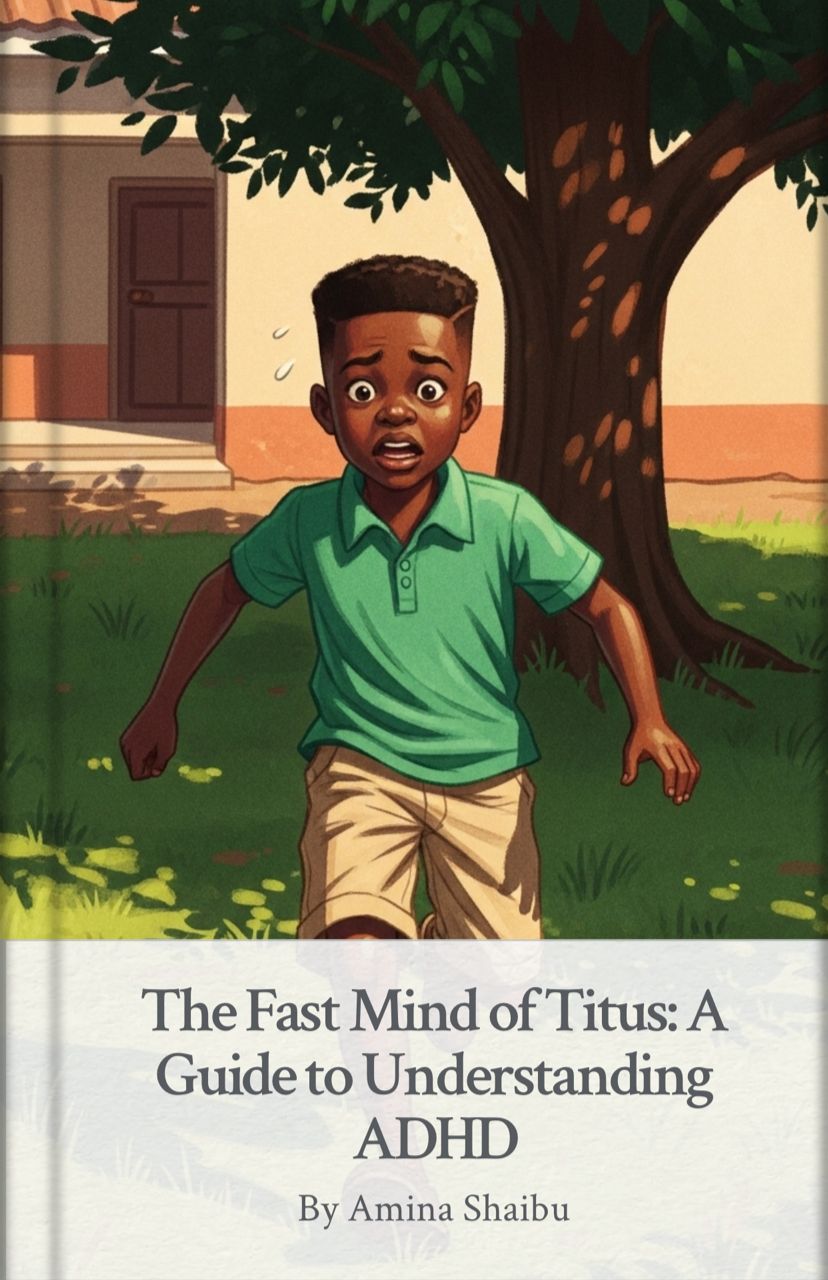
Creating Awareness Using Clear DSM-5-TR Explanations
Attention-Deficit/Hyperactivity Disorder (ADHD) is more common than many people realize, and it affects many children in Nigeria today. Unfortunately, it is often misunderstood or not spoken about enough, causing many children to struggle silently.
This article will help parents understand the major symptoms of ADHD in simple language. If you notice these signs consistently, please take your child for a proper assessment. Early diagnosis can make a big difference in a child’s academic performance, social life, and self-esteem.
WHAT IS ADHD?
ADHD is a neurodevelopmental condition, meaning it starts in childhood because the brain develops differently. A child with ADHD is not stubborn, badly behaved, or intentionally difficult their brain simply works differently.
According to the DSM-5-TR (the major diagnostic manual for mental health), ADHD has three main areas of symptoms:
- Inattention
- Hyperactivity
- Impulsivity
A child may show one group more than the others or show all three.
- INATTENTION
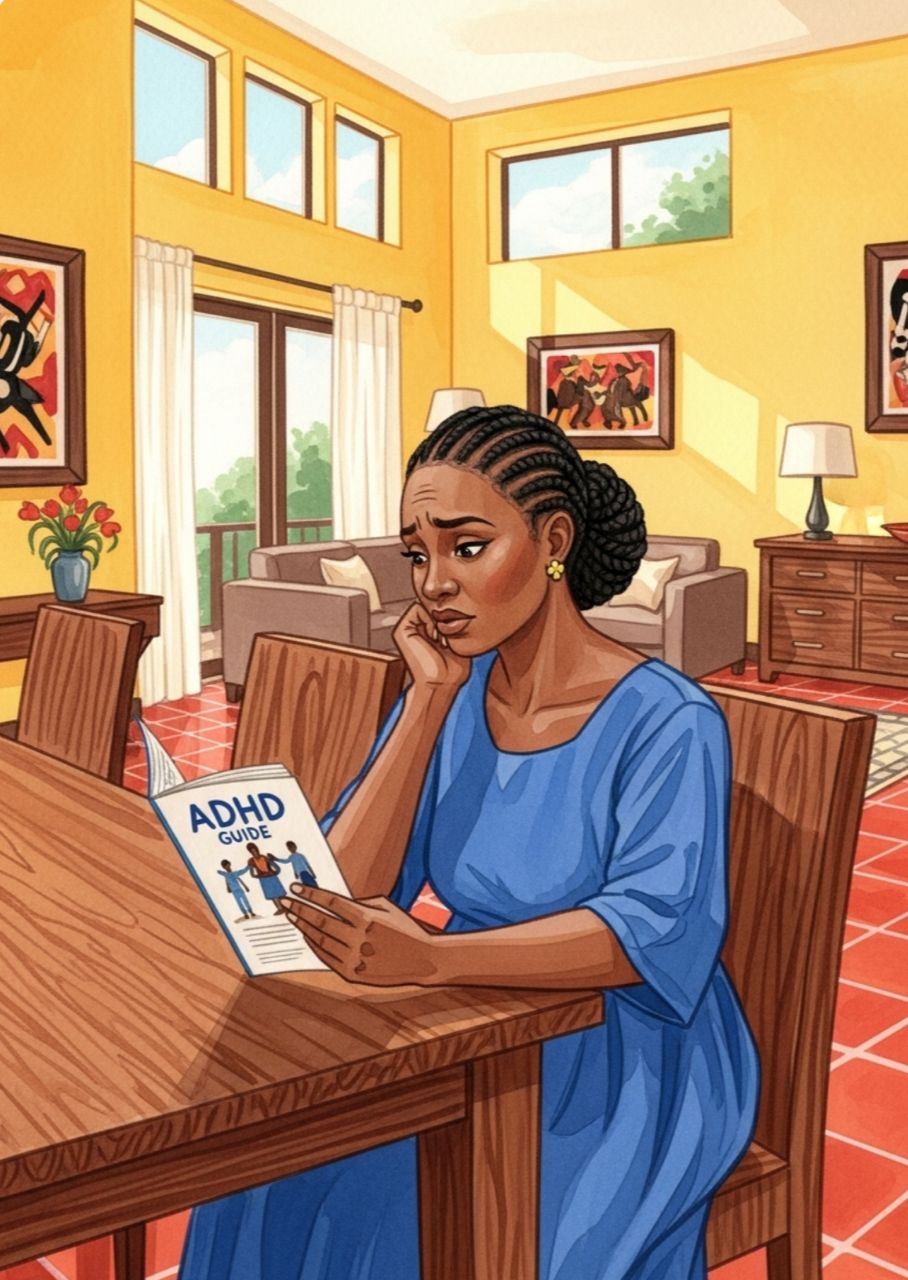
Children with inattentive ADHD often struggle to stay focused, complete tasks, or follow instructions. It is not laziness their attention “shifts” without them wanting it to.
Key DSM-5-TR Symptoms (Explained Simply):
- Easily distracted
Small noises, movements, or objects can pull their attention away.

- Difficulty sustaining attention
They may start homework but cannot finish it, or they drift off during conversations.
- Makes careless mistakes
Not because they don’t know the work, but because their mind jumps ahead.
- Does not seem to listen
You talk, but the child appears as if they didn’t hear anything.
- Avoids long tasks
Anything that requires long focus (assignments, reading) becomes stressful.
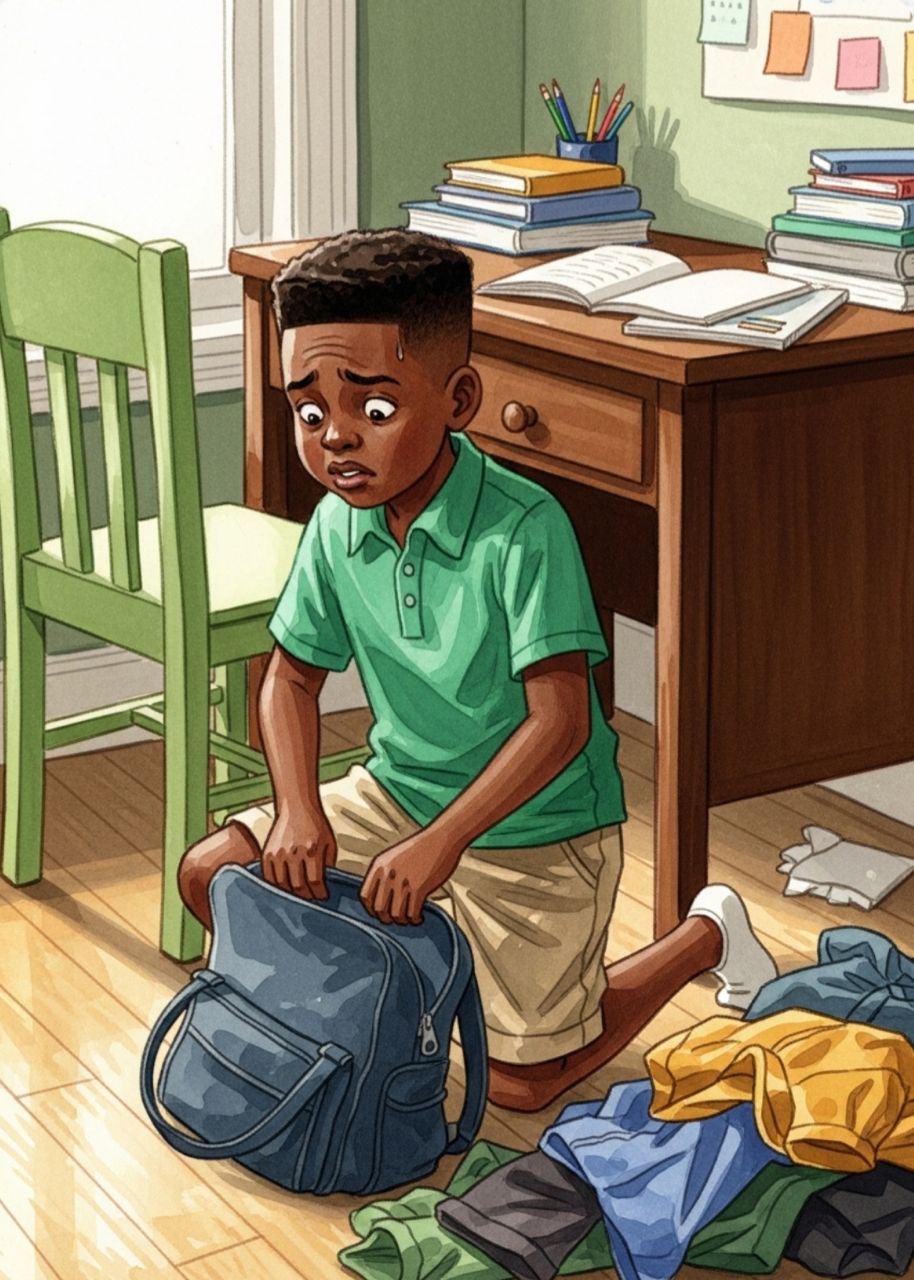
- Frequently loses items
Books, pencils, socks, toys always disappearing.
- Disorganized
Their bags, rooms, and tasks look “scattered,” even when they try to be tidy.

- HYPERACTIVITY
This involves unusually high levels of physical activity and restlessness.
Key DSM-5-TR Symptoms (Explained Simply):
- Constant fidgeting
They tap their feet, shake their legs, or play with objects nonstop.
- Unable to sit still
Even during meals, school lessons, or church, they keep moving.
- Runs or climbs when it is not appropriate
Especially in younger children.
- Talks excessively
They don’t mean to disturb the words just keep coming.
- Acts like they are “driven by a motor”
Always energetic, always on the move.
- IMPULSIVITY
This is when a child acts before thinking of consequences.
Key DSM-5-TR Symptoms (Explained Simply):
- Interrupts others
They talk over people or jump into conversations without realizing it.
- Difficulty waiting for their turn
In games, queues, or classroom activities.
- Acts without thinking
Says or does things suddenly sometimes leading to mistakes or accidents.
IS IT REALLY ADHD?
Not every distracting or playful behaviour is ADHD. Children naturally run around, talk a lot, or forget things. ADHD becomes a concern only when the symptoms:
✔ Are consistent
✔ Occur in more than one place (home, school, church, playground)
✔ Cause problems with learning, behaviour, or friendships
✔ Have been present for at least 6 months
If you are unsure, speak to a psychologist, child therapist, counsellor, or paediatrician trained in ADHD assessment.

WHY EARLY DIAGNOSIS MATTERS
Early diagnosis helps your child:
- Perform better in school
- Build confidence
- Improve social skills
- Reduce frustration and emotional stress
- Receive the right support at home and school
ADHD is manageable. With the right guidance, children with ADHD are incredibly creative, intelligent, and successful.

WHAT PARENTS CAN DO
- Observe your child closely
Note the behaviours that concern you.
- Talk to teachers
Get feedback on your child’s behaviour in school.
- Avoid punishment based reactions
Your child isn’t “stubborn” their brain works differently.
- Seek professional help
A proper assessment can bring clarity and support.
Amazing write up it was worth the read my son is hyperactive I will look more into this to find out if it’s ADHD or not
Thank you so much for your kind words. We’re really glad you found the write up helpful. It’s great that you’re taking the time to learn more understanding your child better is an important first step. We wish you all the best as you look into it, and we hope you find the right support for your son.