
By Amina Shaibu • June 2026

Early reading is often seen as an academic milestone, but it is far more than that. It is deeply connected to how children understand their emotions, communicate their needs, and build a healthy mind. In many homes, reading is encouraged for school success, yet its impact on emotional expression and mental health is not talked about enough.
Why Early Reading Matters for Mental Health
When a child learns to read early, they are not just recognizing words; they are learning how to make sense of the world around them. Stories introduce emotions like happiness, fear, anger, and empathy. Through characters, children begin to understand:
“This is how I feel.”
“This is how others feel.”
“This is how to express it.”
Children who struggle with reading may also struggle to express emotions clearly. This can sometimes show up as frustration, withdrawal, or behavioral challenges, not because the child is “difficult,” but because they lack the tools to communicate what is happening inside them.
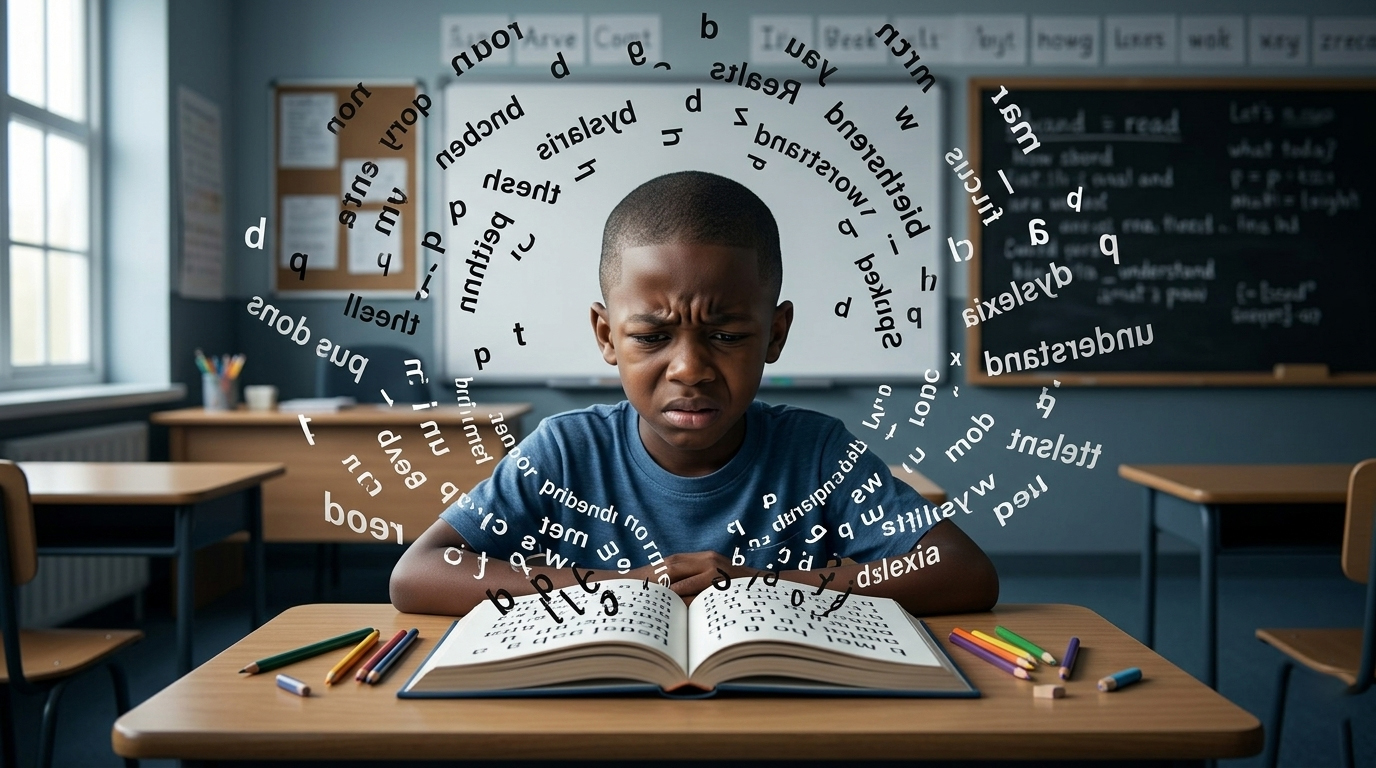
Understanding Through DSM-5-TR (Simplified)
In the DSM-5-TR, reading difficulties fall under Specific Learning Disorder, particularly with impairment in reading (often called dyslexia).
DSM-5-TR Made Easy (For Parents)
This simply means:
A child’s brain processes language differently. It affects reading accuracy, speed, and understanding. It is not a sign of low intelligence.
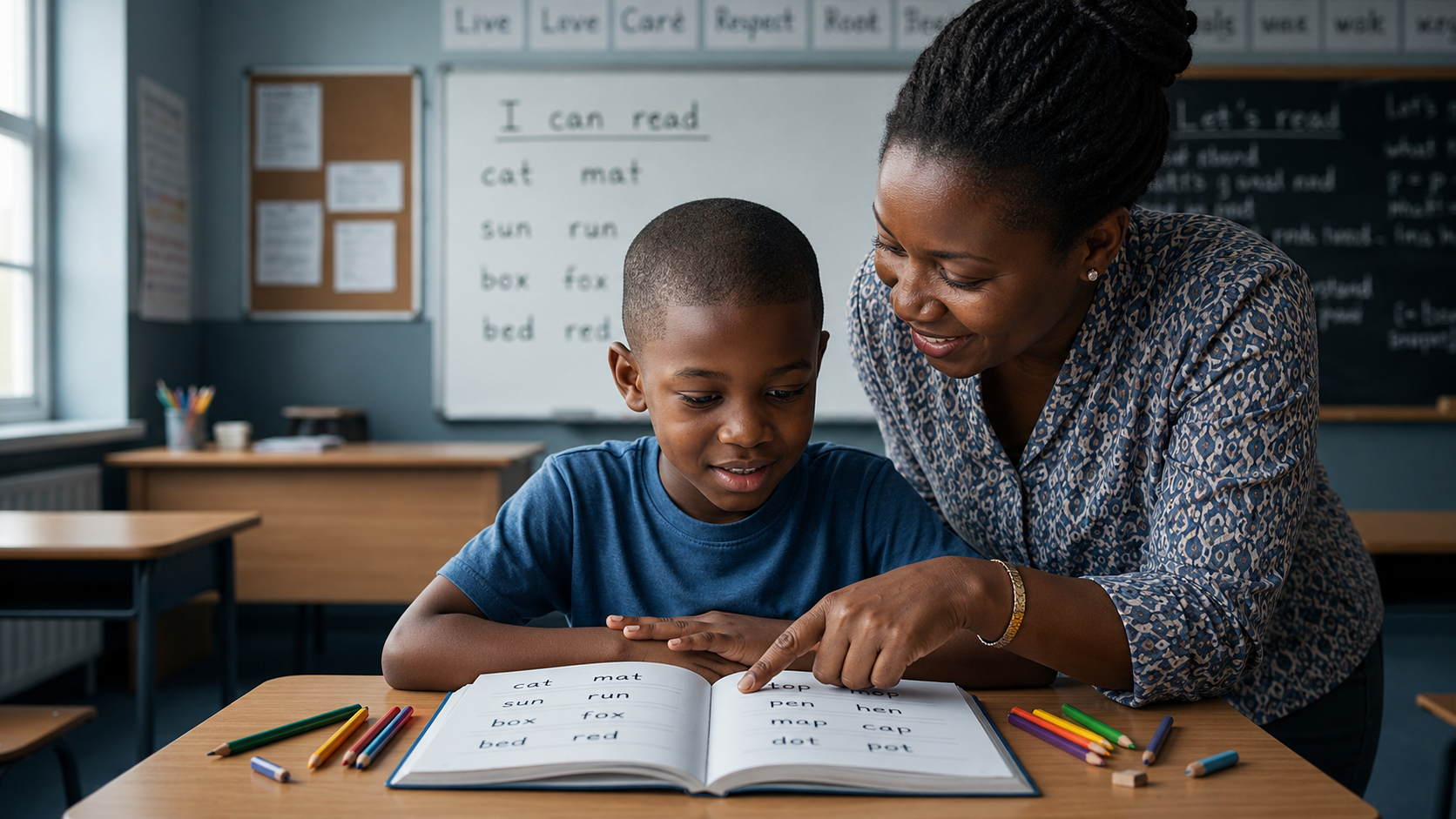
When reading challenges are not supported early, they can affect:
- Self-esteem (“I am not smart”)
- Emotional regulation (frequent frustration or anger)
- Social confidence (avoiding participation)
How Reading Shapes Emotional Expression
Early reading helps children:
- Name their feelings: Words like “sad,” “excited,” or “worried” become easier to use.
- Build empathy: Understanding characters helps children relate to others.
- Develop coping skills: Stories model problem-solving and emotional resilience.
- Communicate better: Children express themselves instead of acting out.
Signs Parents Should Pay Attention To
These signs do not always mean a disorder, but they are important indicators:
- Difficulty Recognizing Letters or Sounds
- The child struggles to connect letters with their sounds even after repeated teaching.
- Avoidance of Reading
- The child shows strong resistance or anxiety when asked to read.
- Trouble Expressing Feelings
- They may act out emotions instead of verbalizing them.
- Slow Language Development
- Limited vocabulary or difficulty forming sentences.
- Low Confidence in Learning Situations
- The child may withdraw or say things like “I can’t do it.”
If you notice these signs, it is important to seek an assessment. Even if it turns out not to be a disorder, early support can make a huge difference.
The Nigerian Context
In Nigeria, many children with reading difficulties are misunderstood. They may be labeled as “lazy” or “slow” when in reality they need structured support. Awareness is still growing, and many families do not realize that early reading challenges can affect a child’s emotional well-being.
What Parents Can Do
- Read with your child daily, even for 10–15 minutes.
- Use storytelling and picture books.
- Encourage children to talk about what they feel.
- Be patient; avoid criticism or comparison.
- Seek professional help when needed (educational psychologist, speech therapist, or specialist teacher)
- A Visual Reminder.
Final Thought
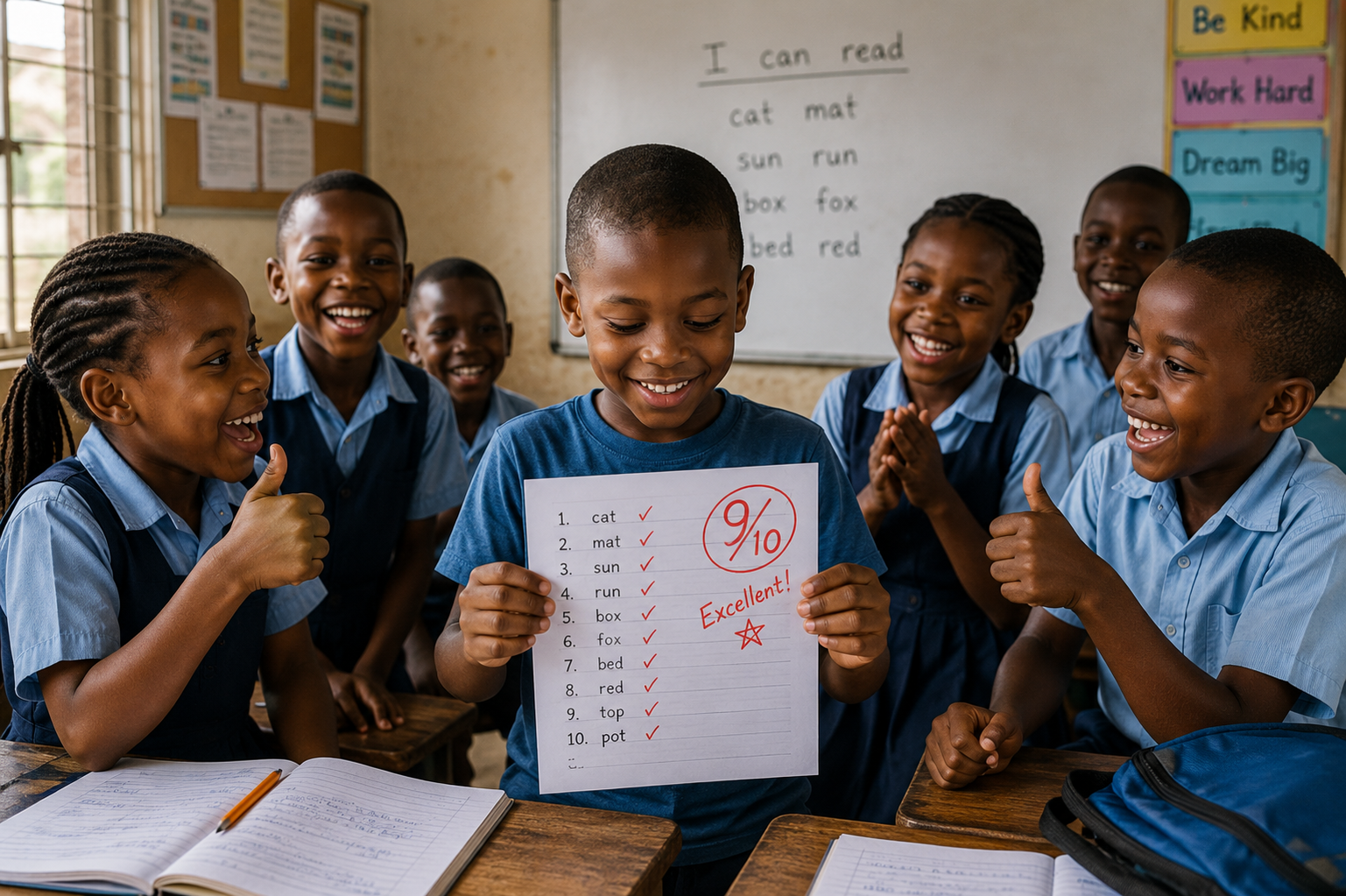
Every child deserves the chance to understand both words and emotions. Reading is not just about school; it is about helping a child find their voice, build confidence, and develop a healthy mind.
Early support can change everything.
Indeed early support can change everything. Good job!
This support plays a crucial role in a child’s development, and every child needs access to this kind of support to grow, thrive, and reach their full potential.