
By Amina Shaibu • June 2026
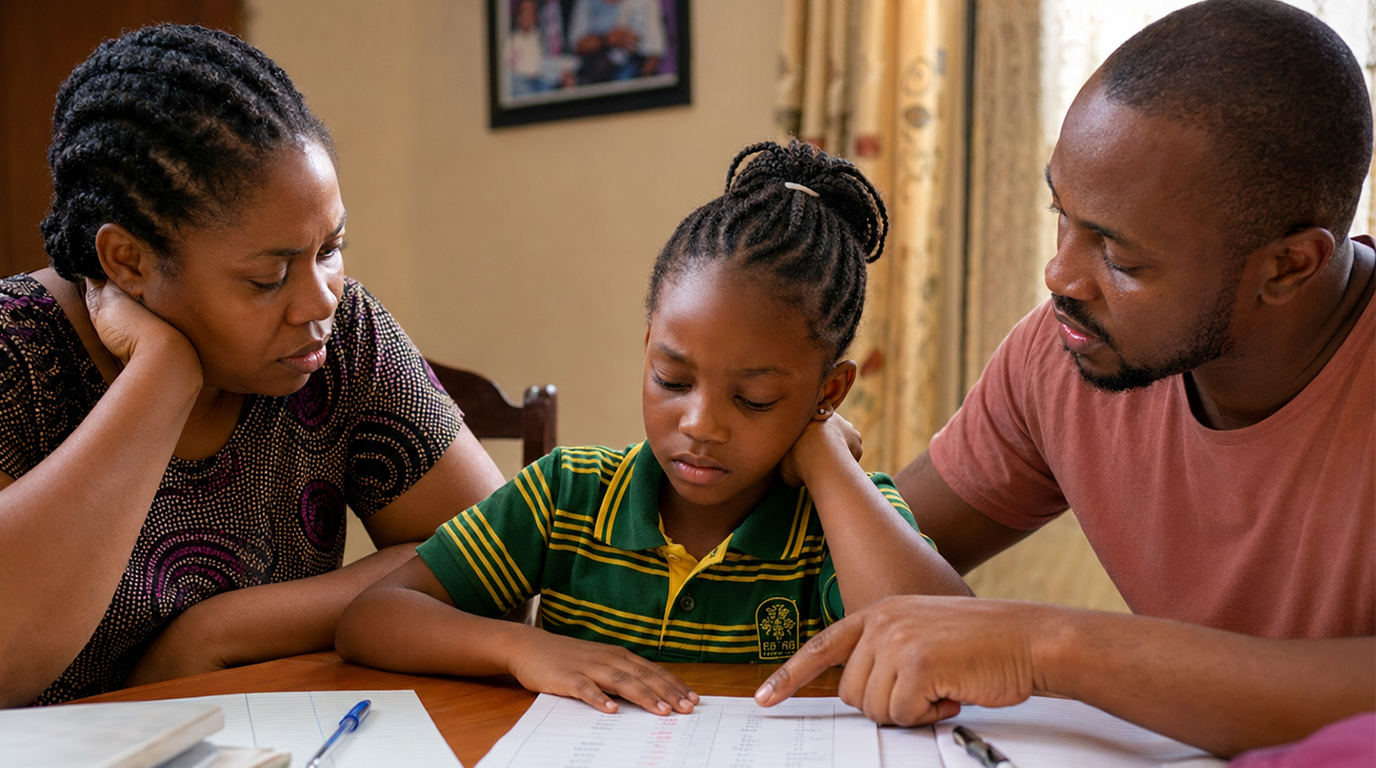
Many parents worry when their child struggles to read. Some think the child is lazy, distracted, or not serious. But sometimes, the issue is something many people don’t talk about enough in the world about dyslexia.
The truth is simple and powerful: Every dyslexic person can learn to read at any age if they are taught in the way they learn best.
What Is Dyslexia? (DSM-5-TR Made Simple)
According to the DSM-5-TR (explained in simple terms), dyslexia is a specific learning difficulty that affects how a child reads, spells, and connects sounds to letters.
- It is not:
- A sign of low intelligence
- A sign of laziness
- A sign of poor parenting
- It is:
- A difference in how the brain processes written language
Why Many Parents Miss It
In many homes, especially in Africa, Nigeria:
- Children are told to “try harder”
- Reading struggles are ignored
- Or the child is compared to siblings
Because of this, dyslexia is often hidden, misunderstood, or not talked about.
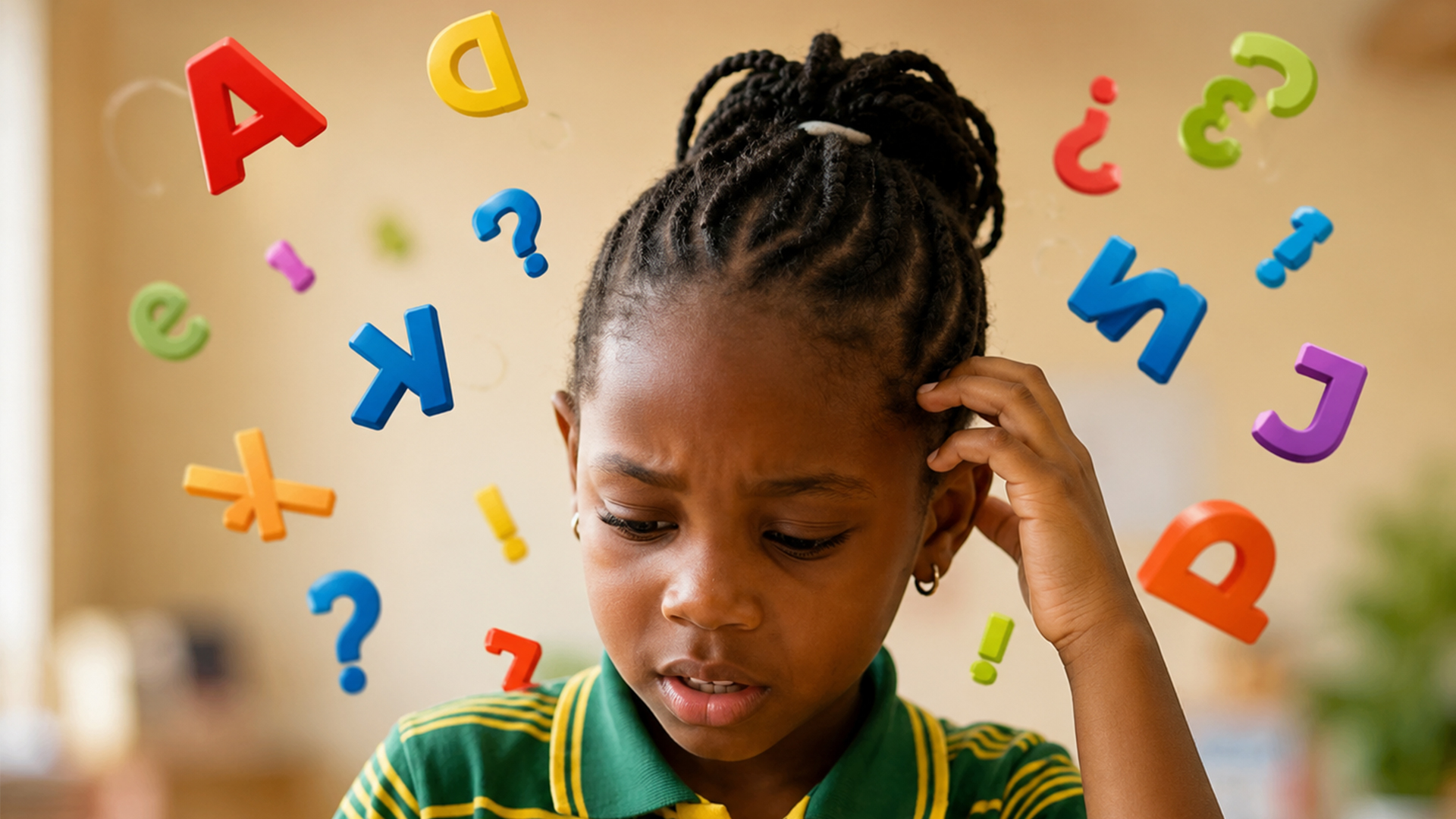
Common Signs of Dyslexia Parents Should Watch For
Difficulty with Letter Sounds
- Child struggles to connect letters with their sounds
- May know the alphabet but cannot sound out words
Simple meaning: The brain is finding it hard to link what the child sees (letters) with what they hear (sounds).
Slow or Avoidant Reading
- Reads very slowly
- Avoids reading tasks
- Gets tired quickly when reading
Simple meaning: Reading feels like hard work, not because the child is unwilling, but because it takes extra effort.
Mixing Up Letters or Words
- Confuses letters like b/d, p/q
- Reads words incorrectly
Simple meaning: The brain processes written symbols differently.
Poor Spelling
- Spells the same word differently each time
- Struggles with simple words
Simple meaning: The child is not recognizing patterns in words easily.
Difficulty Following Written Instructions
- Understands spoken instructions better than written ones
Simple meaning: The child learns better through listening than reading.
What DSM-5-TR Helps Us Understand
The DSM-5-TR explains that dyslexia:
- Is consistent over time (not just once in a while)
- Affects academic skills, especially reading
- Happens even when the child is intelligent and has access to school
Important: If these signs continue, parents should consider professional assessment.
The Most Important Truth
A dyslexic child is not incapable. They simply need:
- A different teaching method
- More structured reading support
- Patience and encouragement
What Parents Can Do
- Observe your child without judgment
- Stop comparing your child to others
- Encourage learning through:
- Sounds
- Visuals
- Repetition
- Seek professional help early
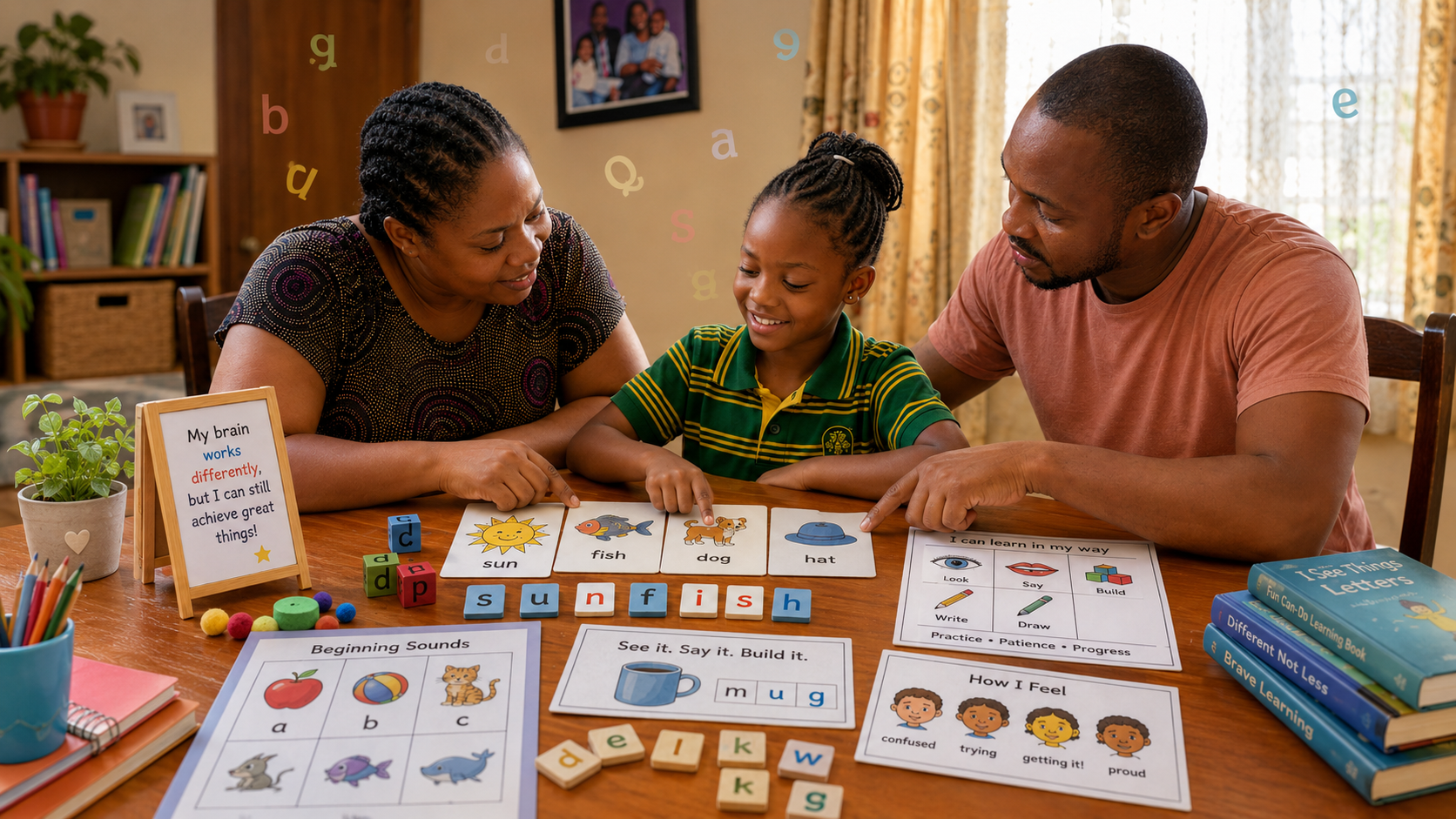
Why Early Awareness Matters
- When dyslexia is ignored: Confidence drops, the child feels “not good enough,” and learning becomes frustrating.
- But when it is understood: The child improves, confidence grows, and reading becomes possible.
A Message to Parents
Your child is not slow. Your child is not lazy. Your child is not a failure.
Your child learns differently, and that difference can be supported.
Final Thought
Dyslexia is common, especially in Nigeria, but many people don’t talk about it. The more we understand it:
- The more children we help
- The earlier we support them
- The better their future becomes.
Every child deserves the chance to learn and every dyslexic child can learn to read.
Thank you for these tips. Will surely look out for them .